Don Prince: six works
With a tribute by Simon Cutts
Chapatis and Naans by Simon Cutts
I met Don Prince in the countdown days of open education, when the fabulous Foundation Course existed in Art Schools, and young people were allowed to find their way by exposure to possibility, discovery and mistakes.
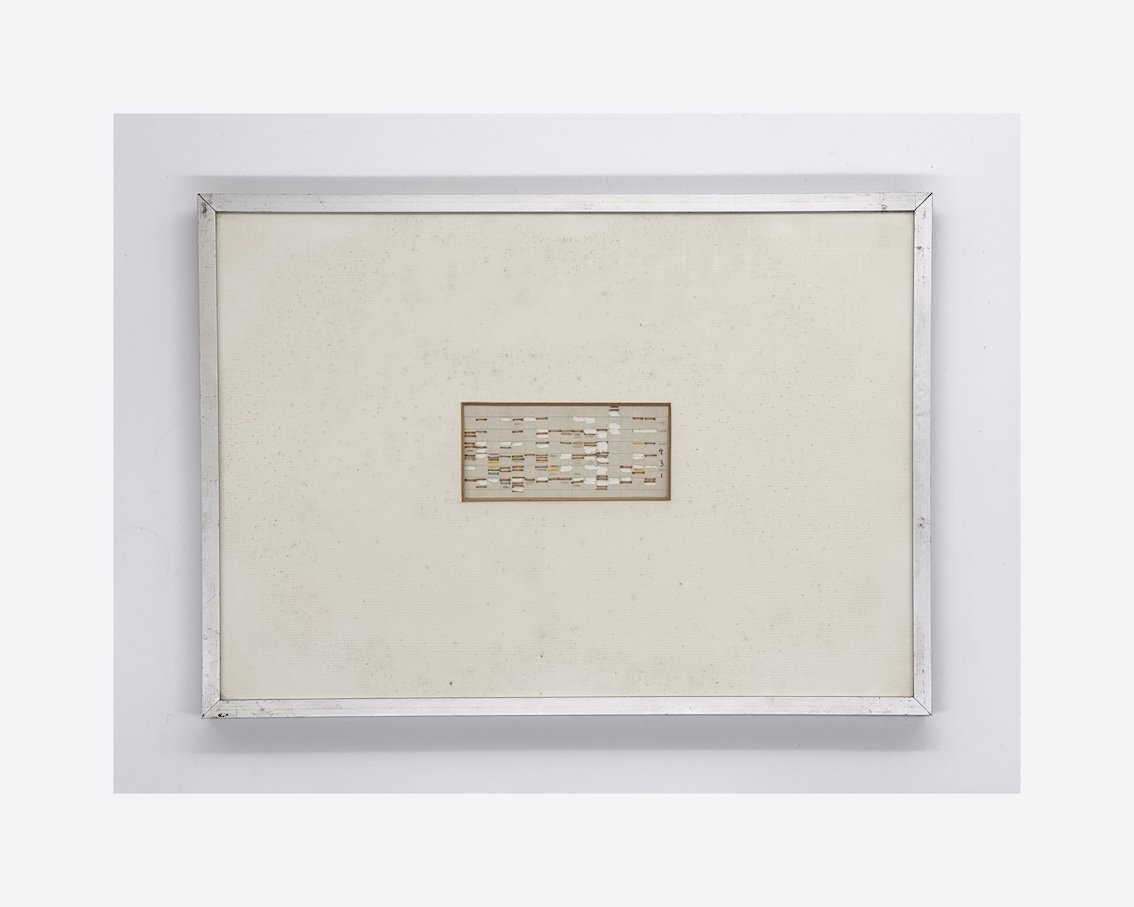
He invited me to Birmingham to work with him and a sympathetic group of colleagues in the basement of a building in Fazeley Street. I was the 'technician' , whatever that meant, but in the equalities of the place, I did many things, like helping fix lunch, and talking about notation as an overview of drawing, like the diagrammatic scores of John Cage. Don was, incidentally, a great teacher. He allowed things to happen. We ate the first baltis in Ladypool Road in Mr Butts's cafe, with no knives and forks to hand. It was all chapatis and naans. Between us we became interested in systematic, more procedural work for a while, but Don was trained in the more classical mode, and his work was really 'sculpture' in its most immediate and physical form.
I went to Western Australia as 'artist in residence' to join him on a course he was developing, I worked mainly as a substitute art history lecturer, talking about Percy Grainger the composer and his Free Music Machines, whose home-made Museum I had just visited in Melbourne, and also about the ideas of publication, which was my mainstay.
There were field trips into the bush, and I recall making a huge tandoori-ed lamb in a pit we dug, with a sheep bought from a local farmer for $5. We lit the fire, let it burn down, put in the marinated pieces of lamb in cooking foil and covered the entire pit with sheets of galvanised zinc we had found blowing across the plane. We left it in its oven all day. Food was always a bond between us, and there are few people I would rather eat with than Don.
-
Back in Britain, we met infrequently in the early eighties while I was developing Coracle Press and Gallery in a consuming way. I would do the intermittent talk to his students wherever he was working. By the mid-eighties I was forming the gallery with Victoria Miro, and Don would sometimes be there in Cork Street on a Friday afternoon when drinks were fetched from Oddbins in Berkeley Square.
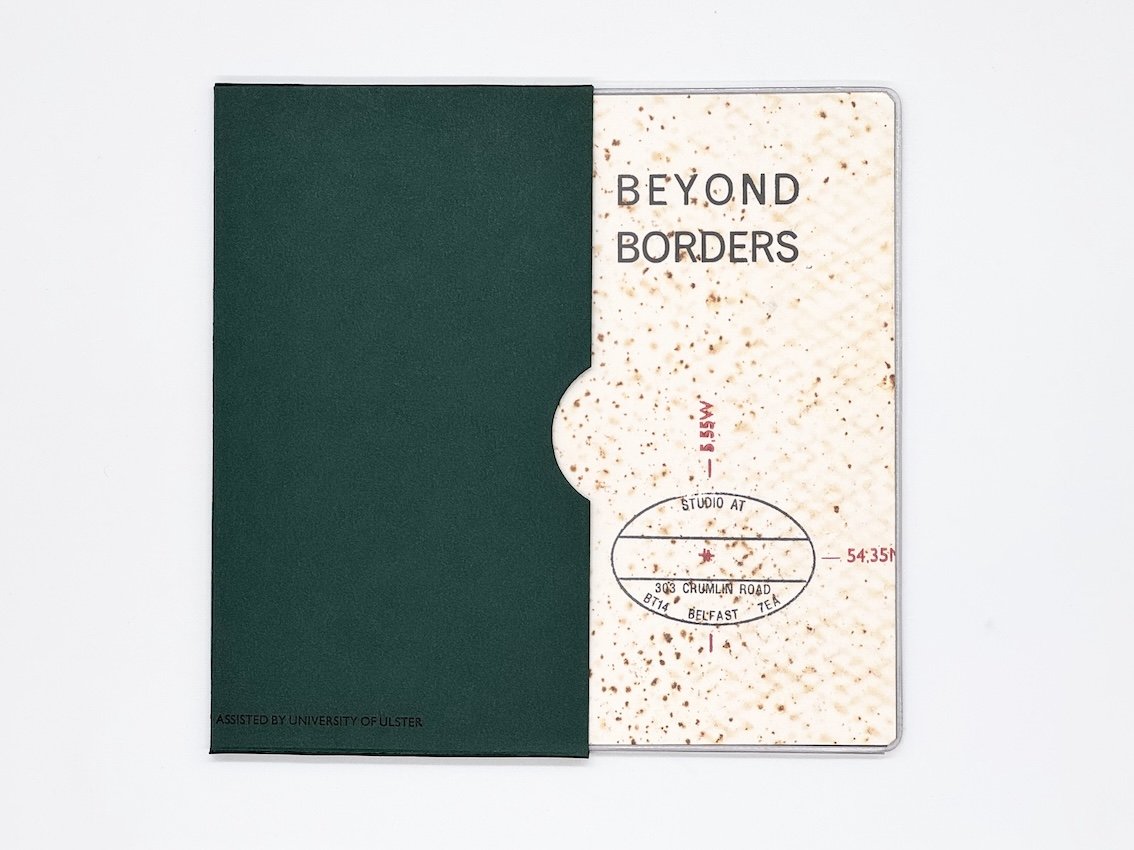
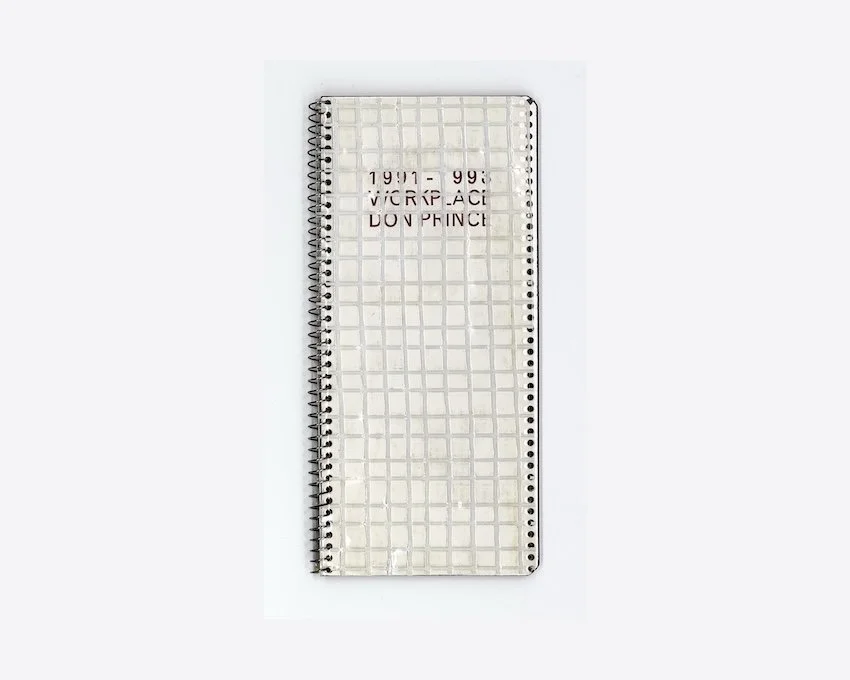
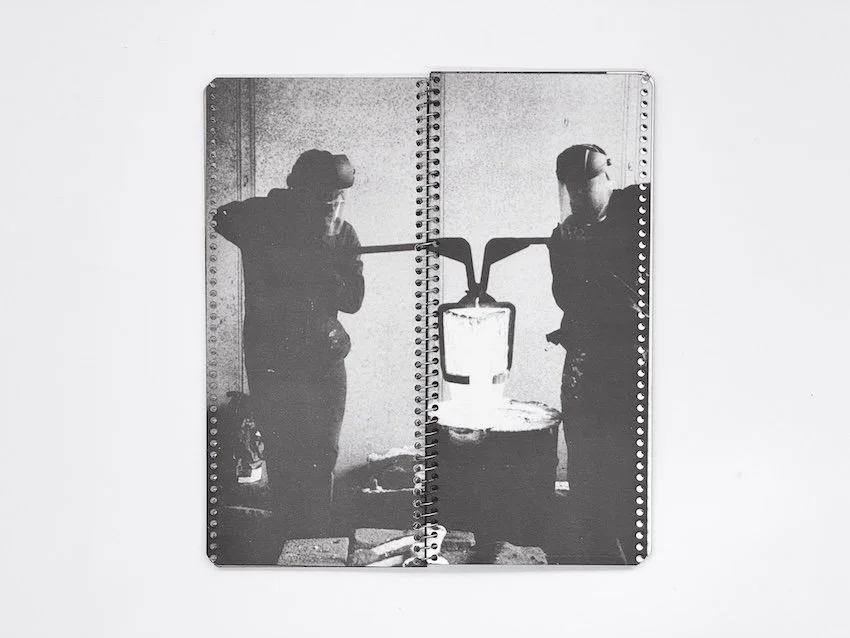
He moved to Belfast about this time, and I visited him by sea from Liverpool, where Coracle was installing Allotment 1: Stone Field by Richard Long in the Renshaw Hall. Don, who had studied in Liverpool was well informed about the city and connections there which led to the increased possibilities of the project. In the early nineties we made two books of Don's: 'workplace', a journal of sorts, of materials and aspects of his studio in Belfast, and 'Beyond Borders', the views from both the windows of his studio and their extension to the larger world surrounding Northern Ireland.
A few years later, he was back to the mainland and Erica and I gave Don and his wife Pat the use of our small house in Norfolk while they found a more permanent abode. Erica and I were working on the bookspace 'workfortheeyetodo' in the east of London, and could spend weekends with them, cooked for by Don.
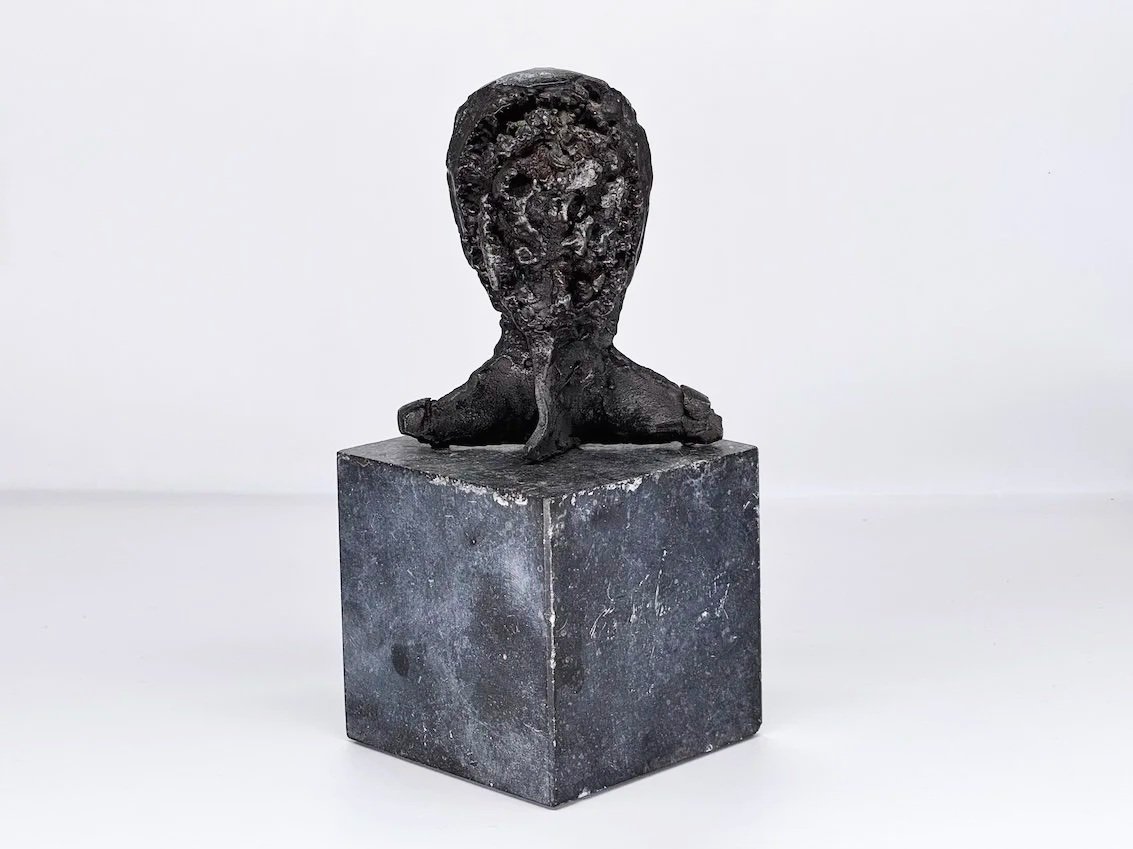
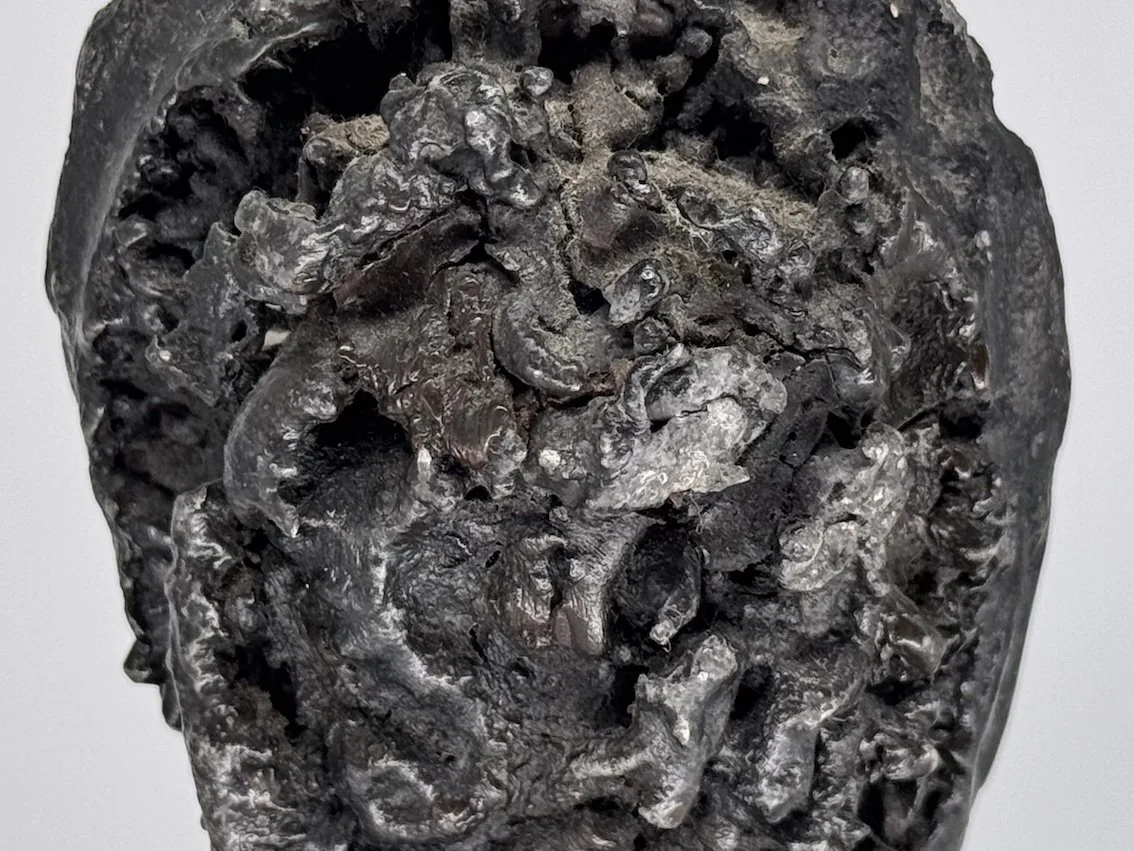
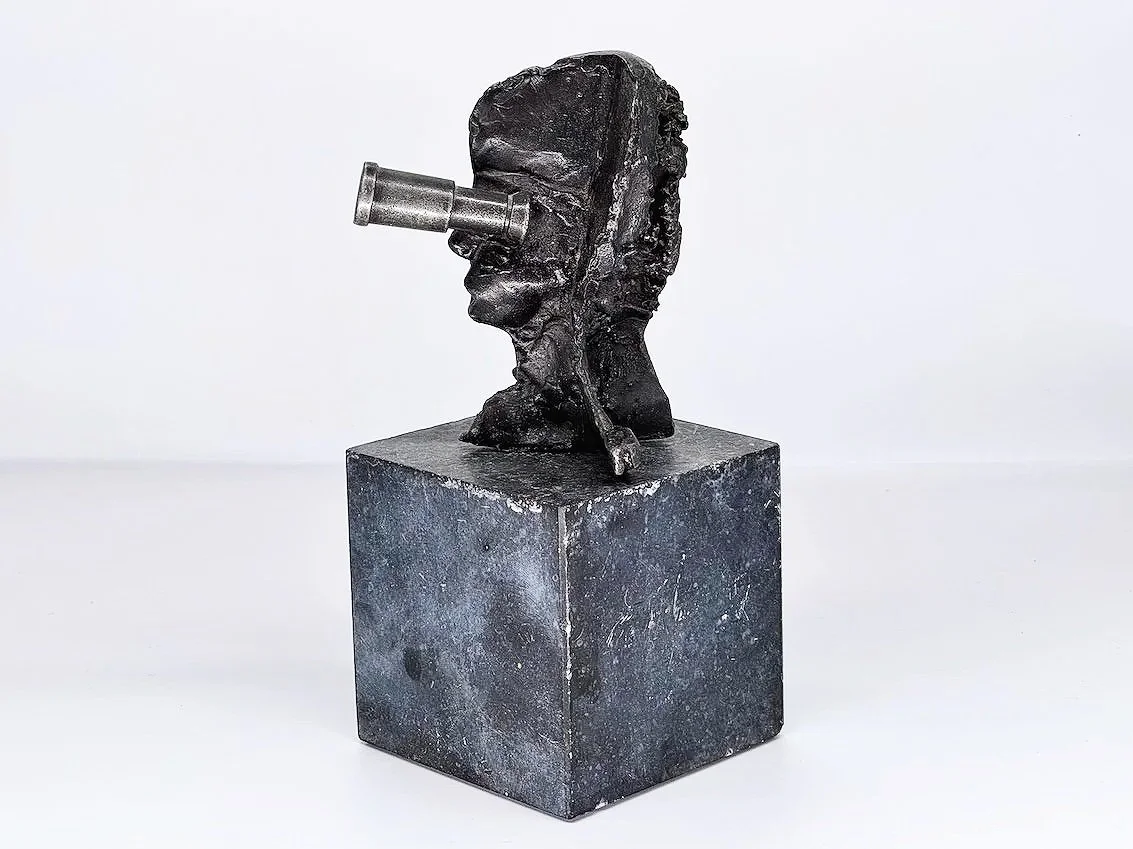
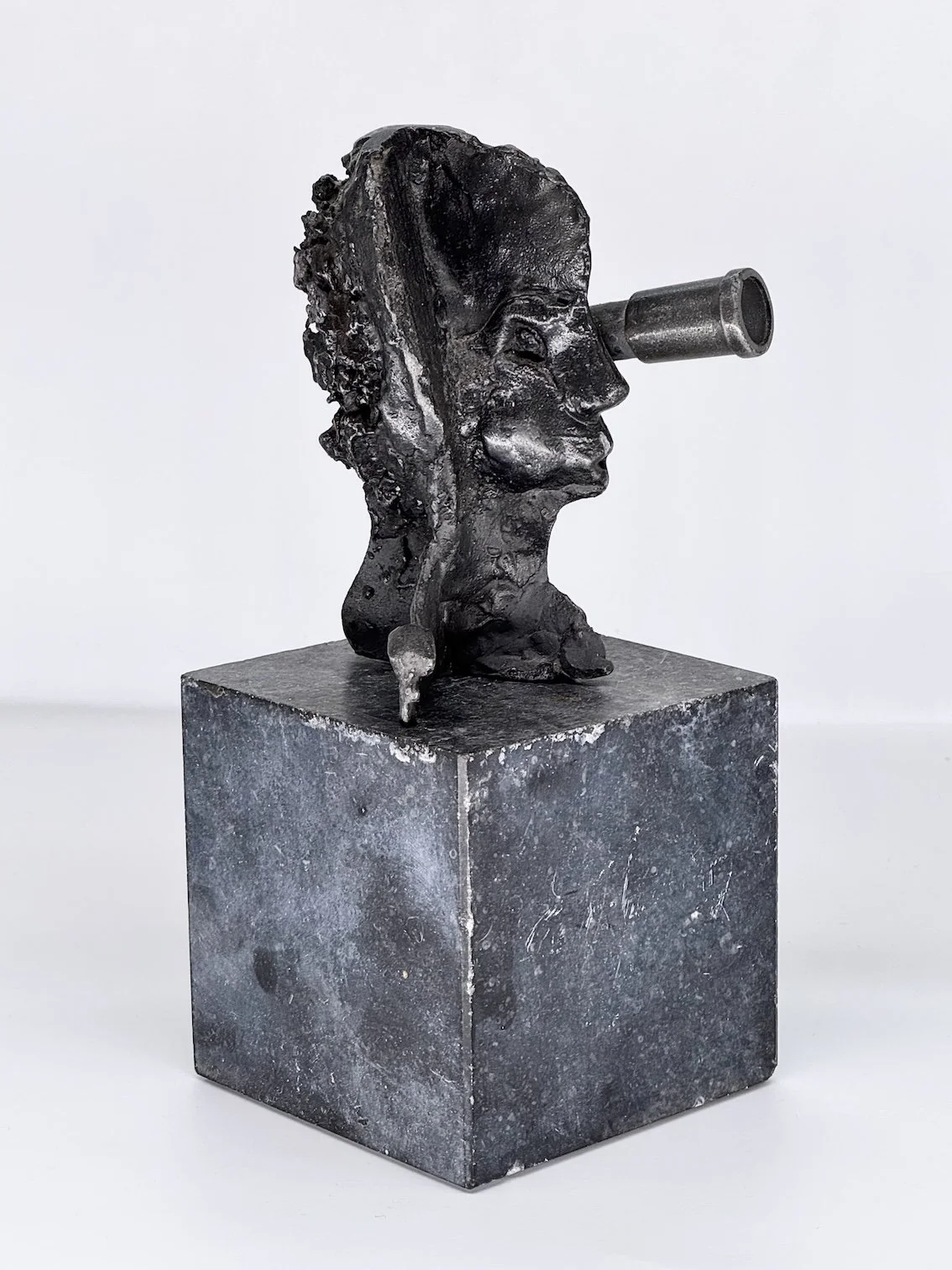
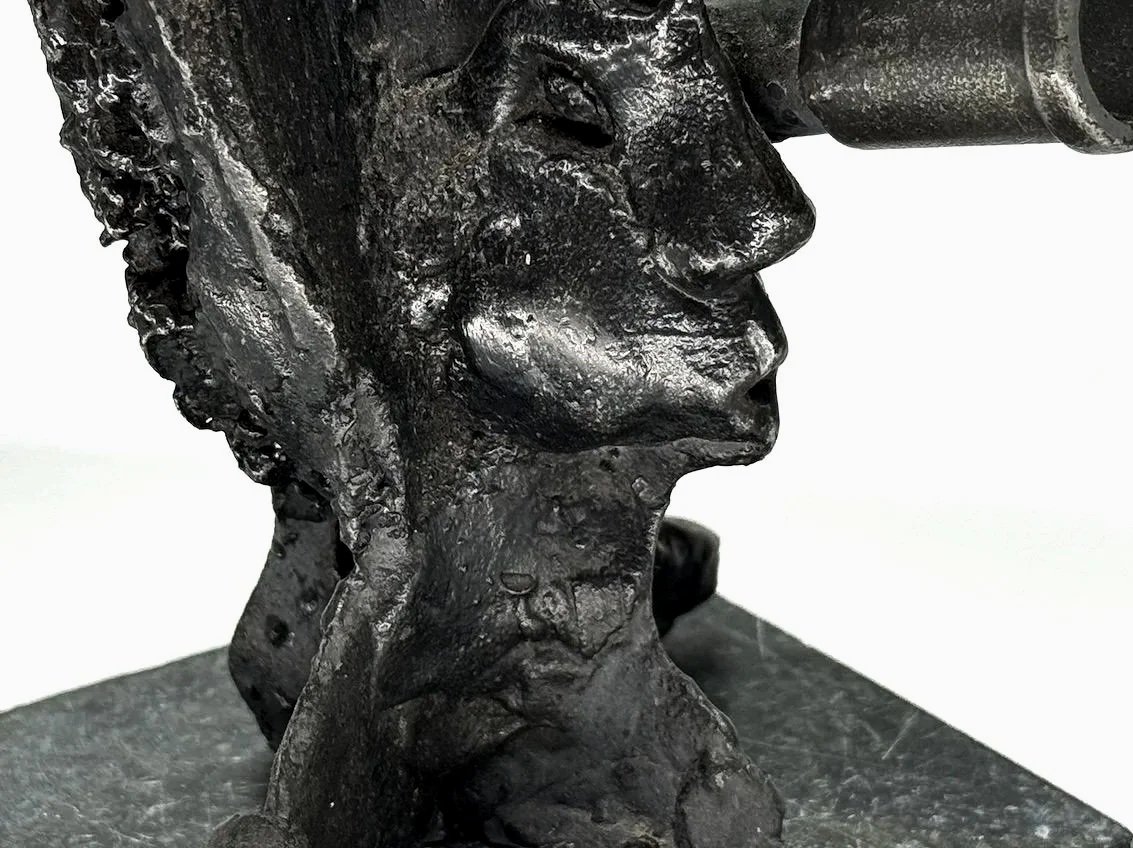
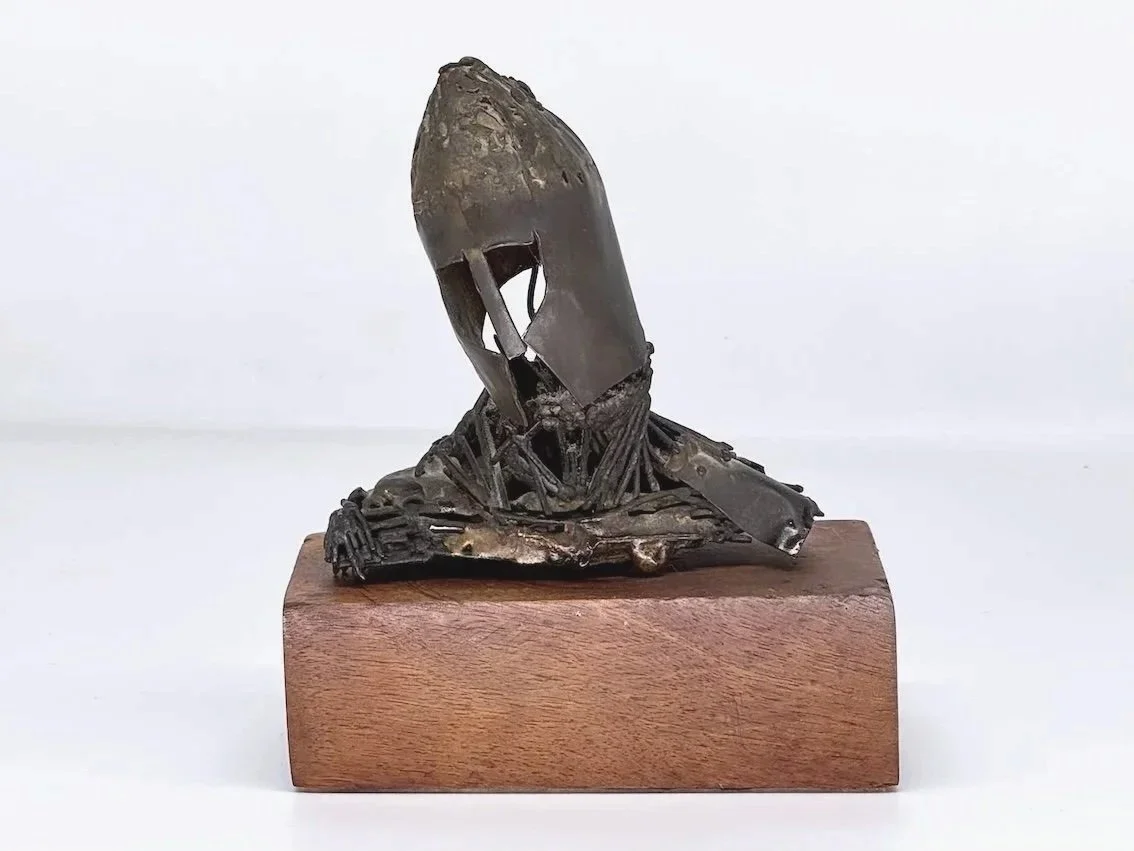
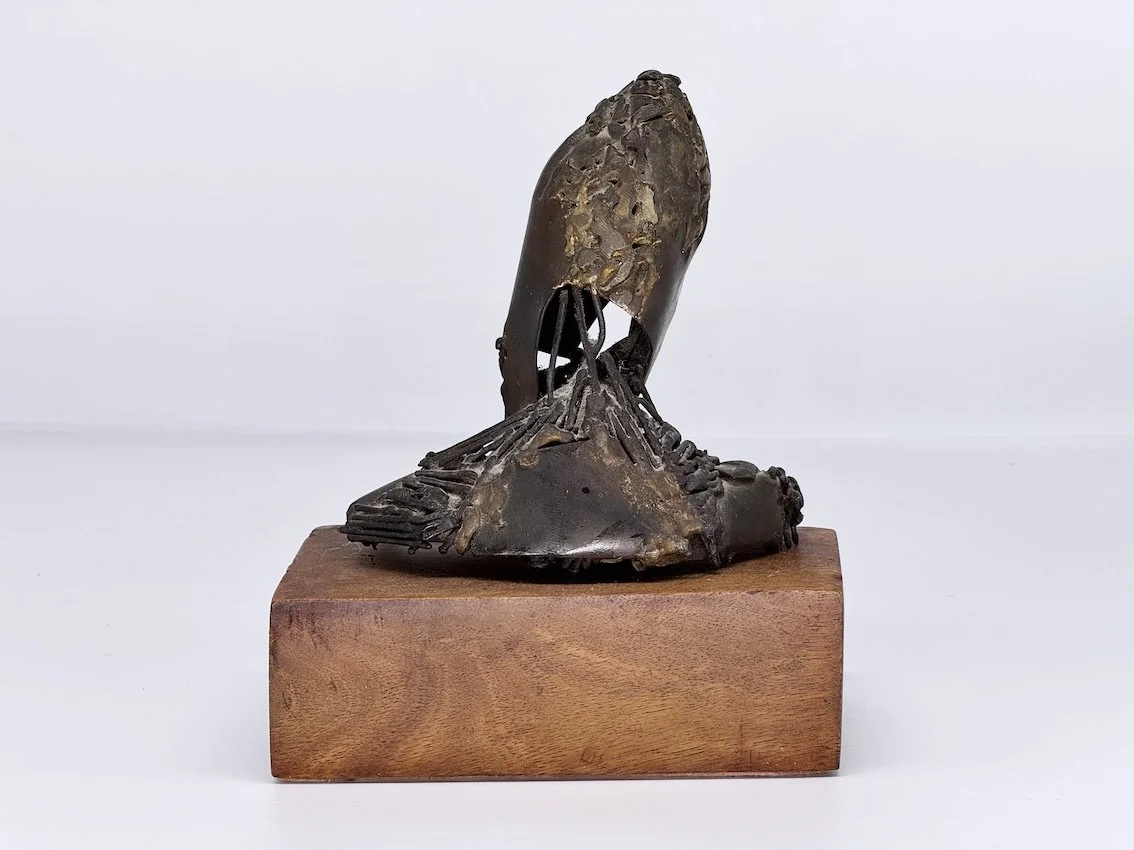
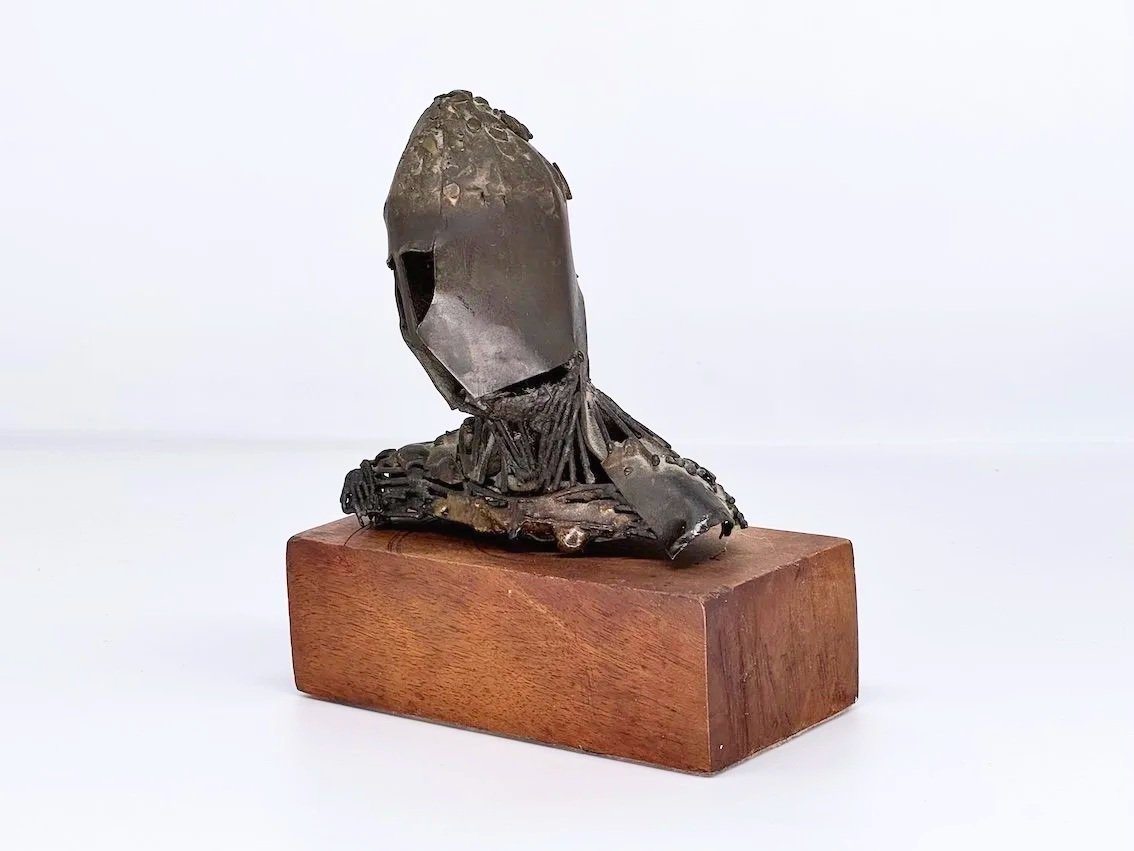
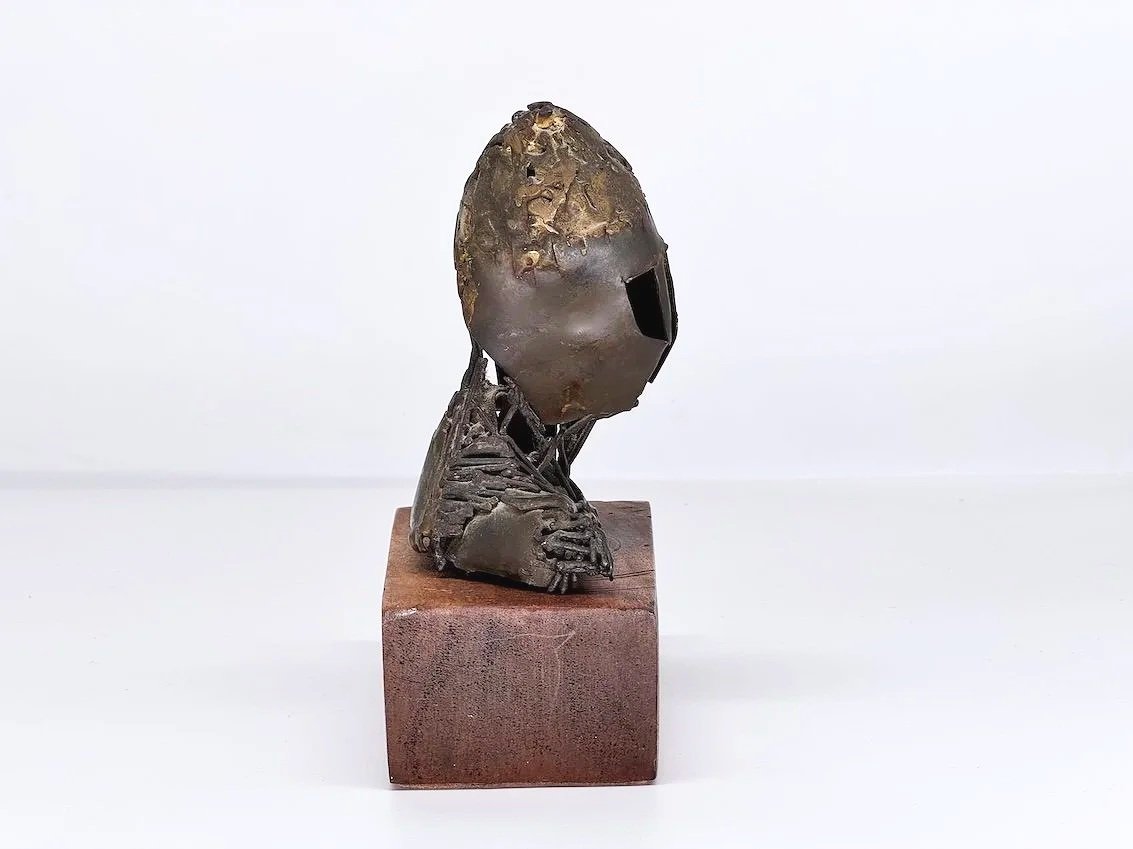
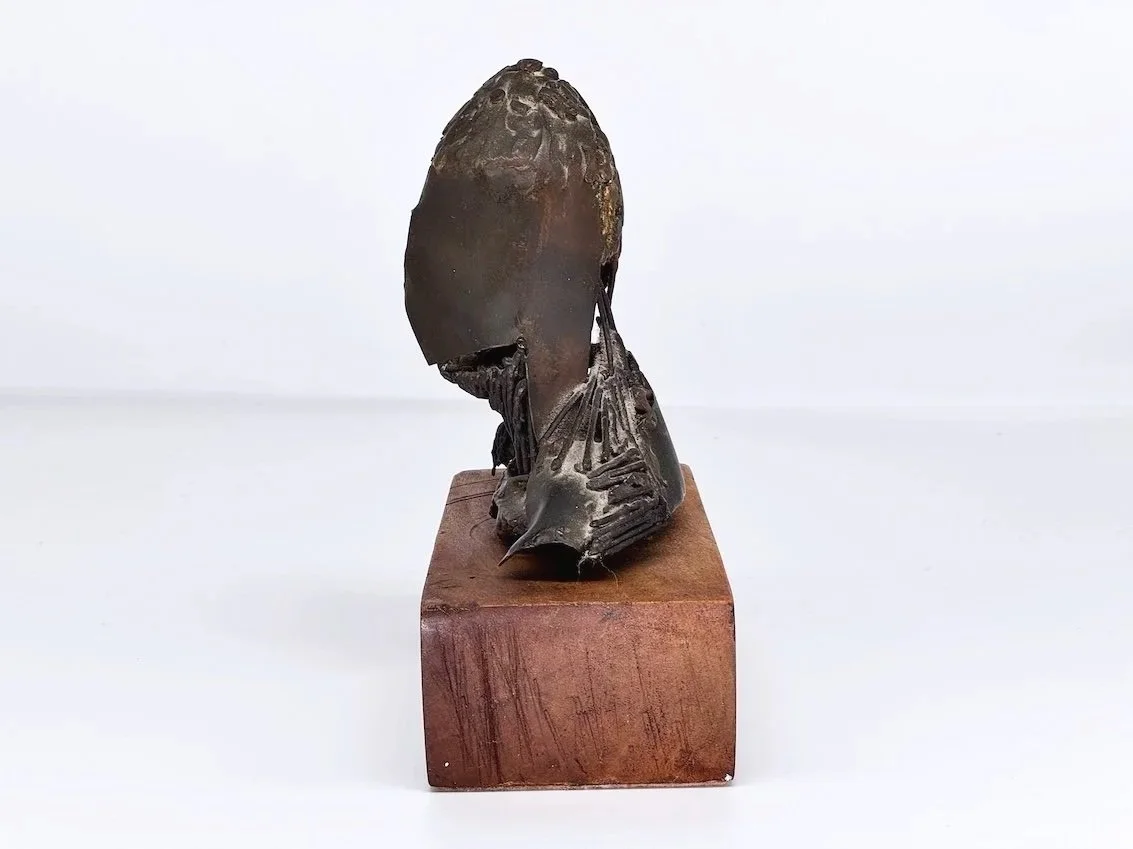
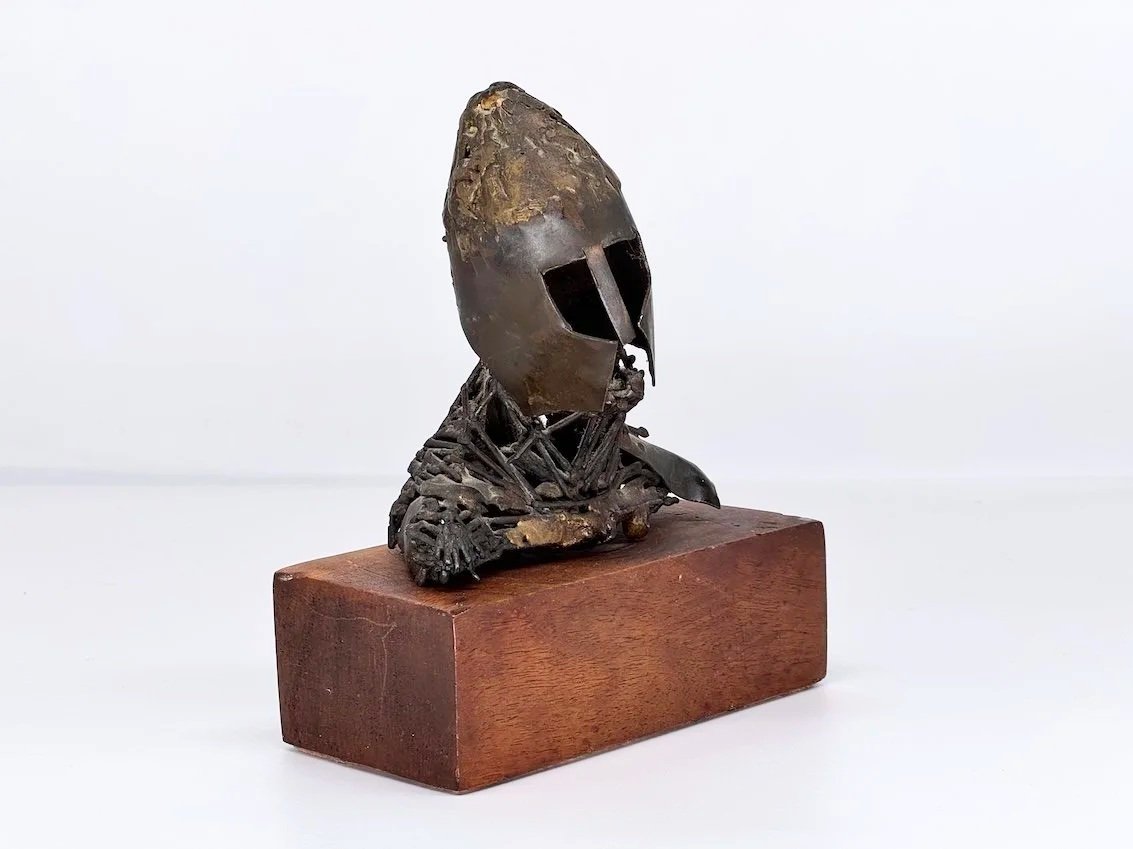
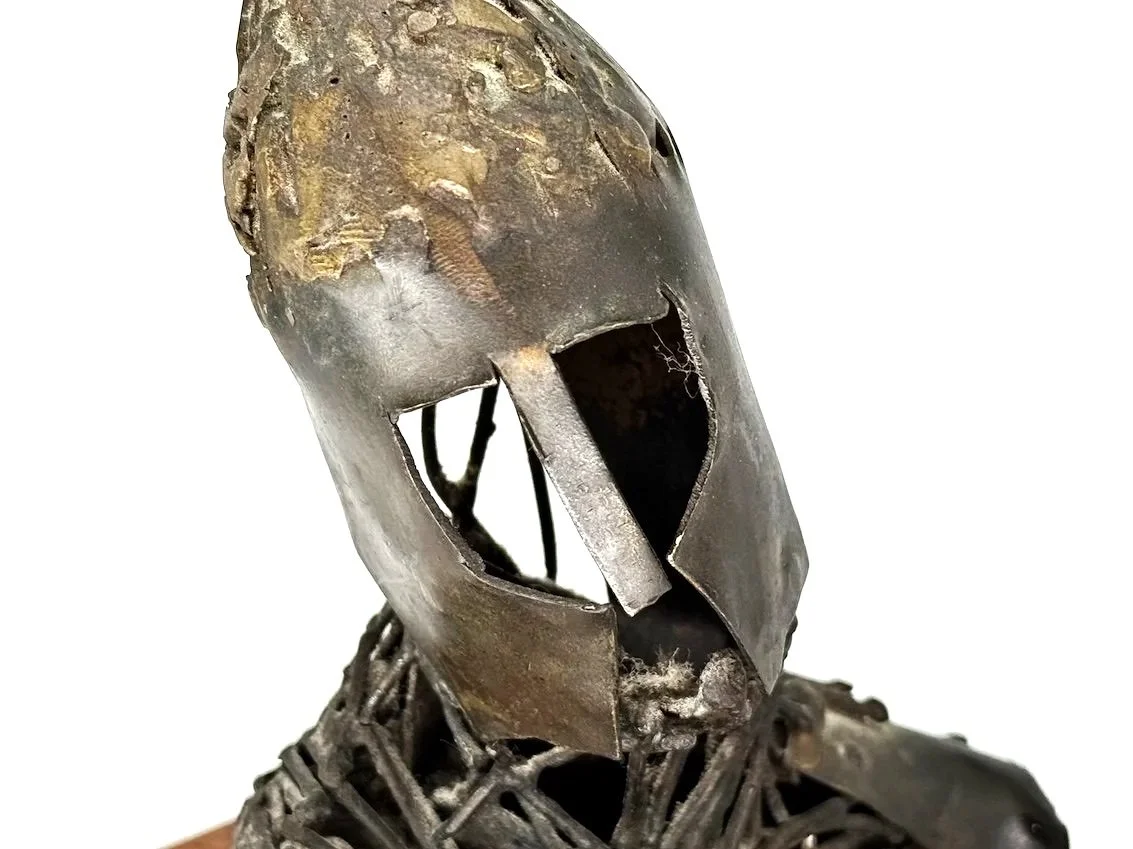
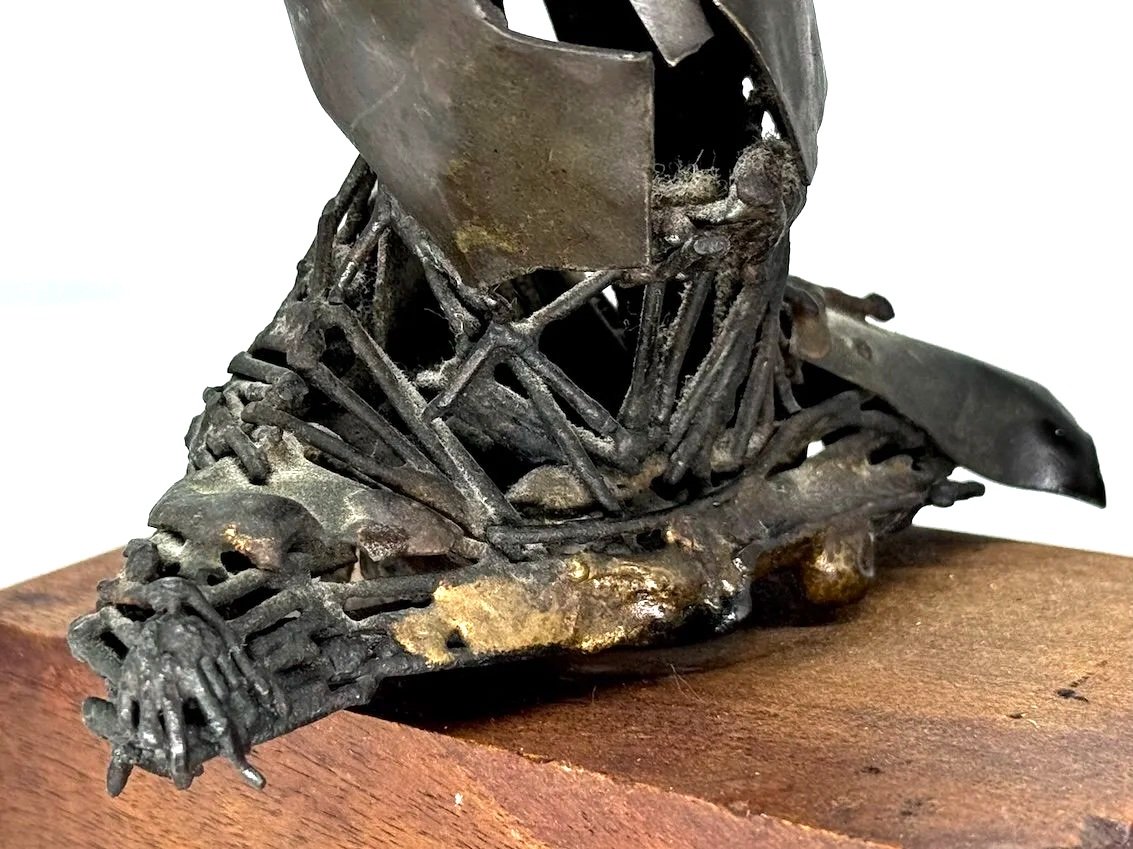
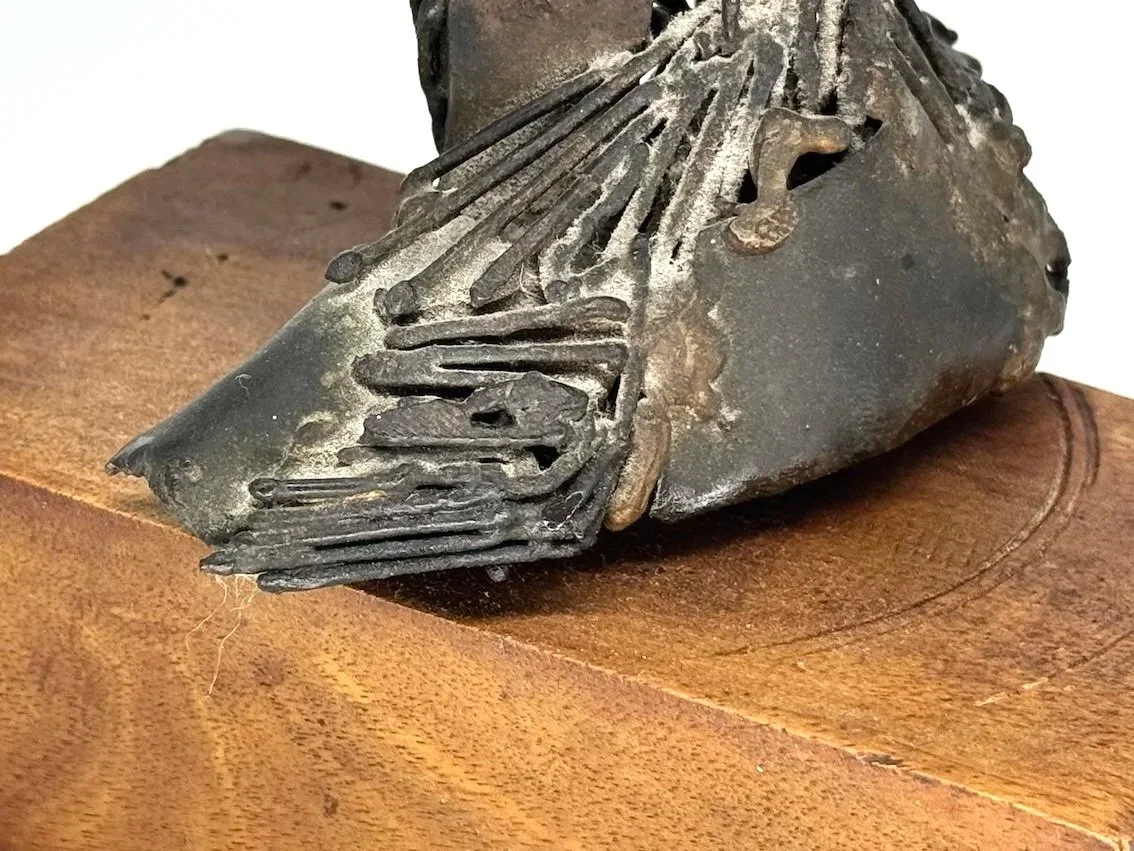
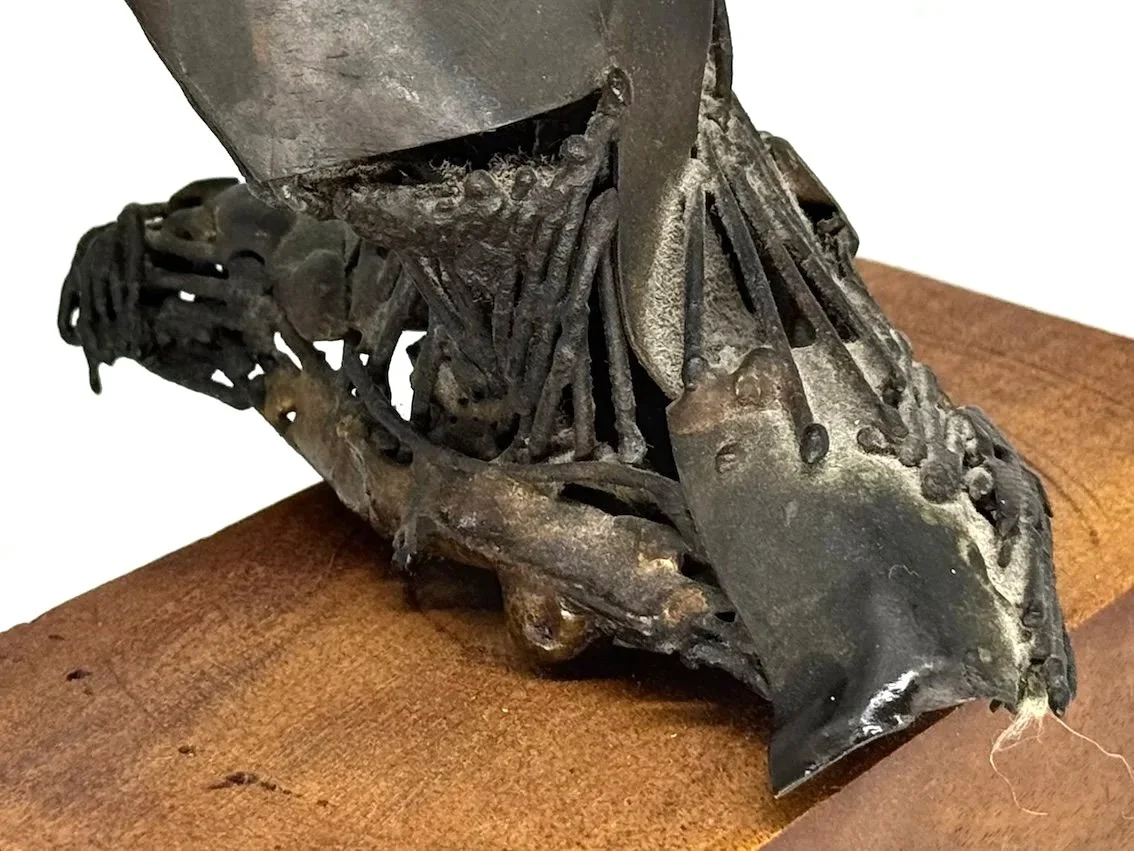
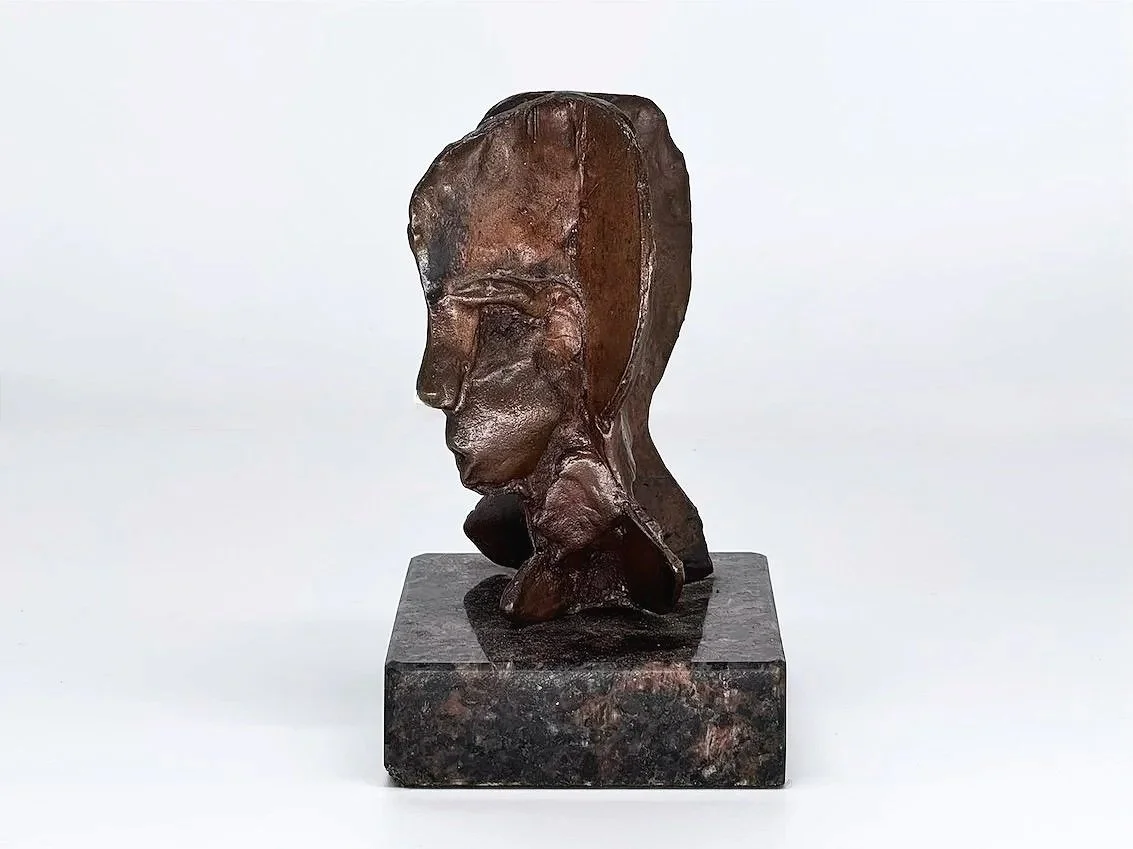
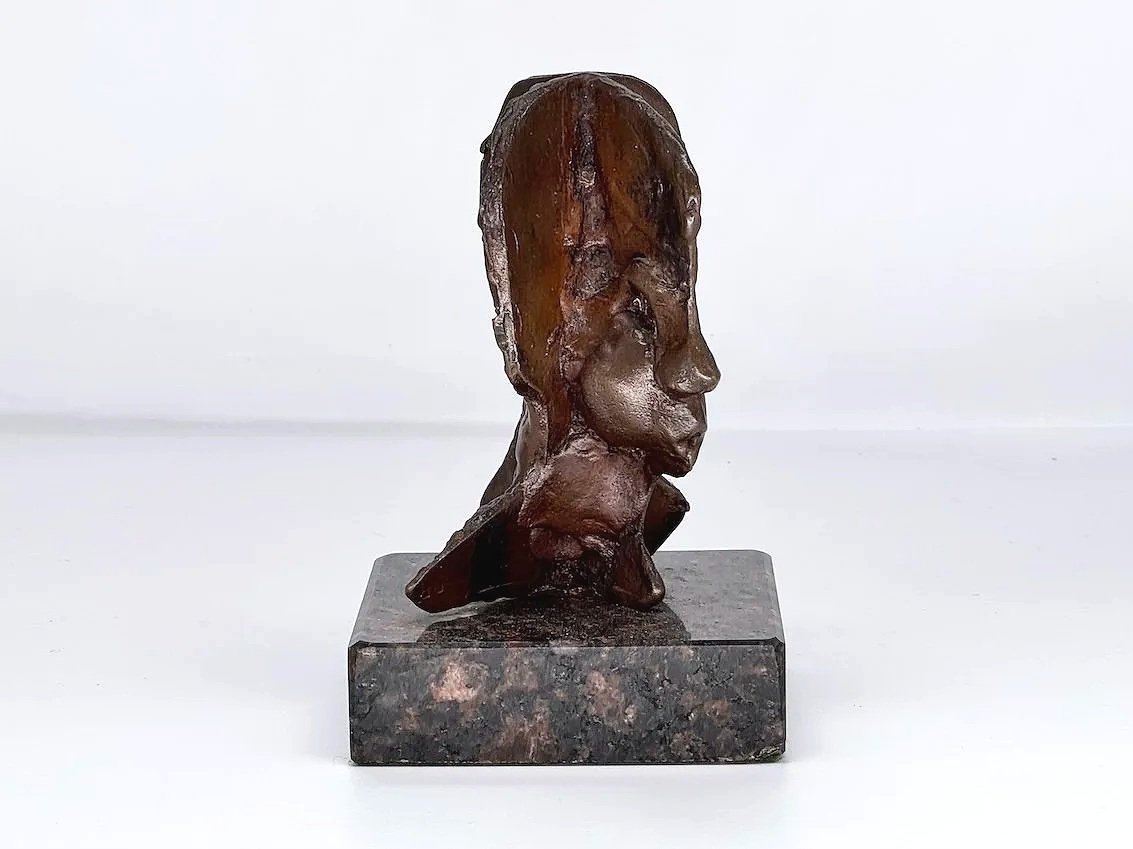
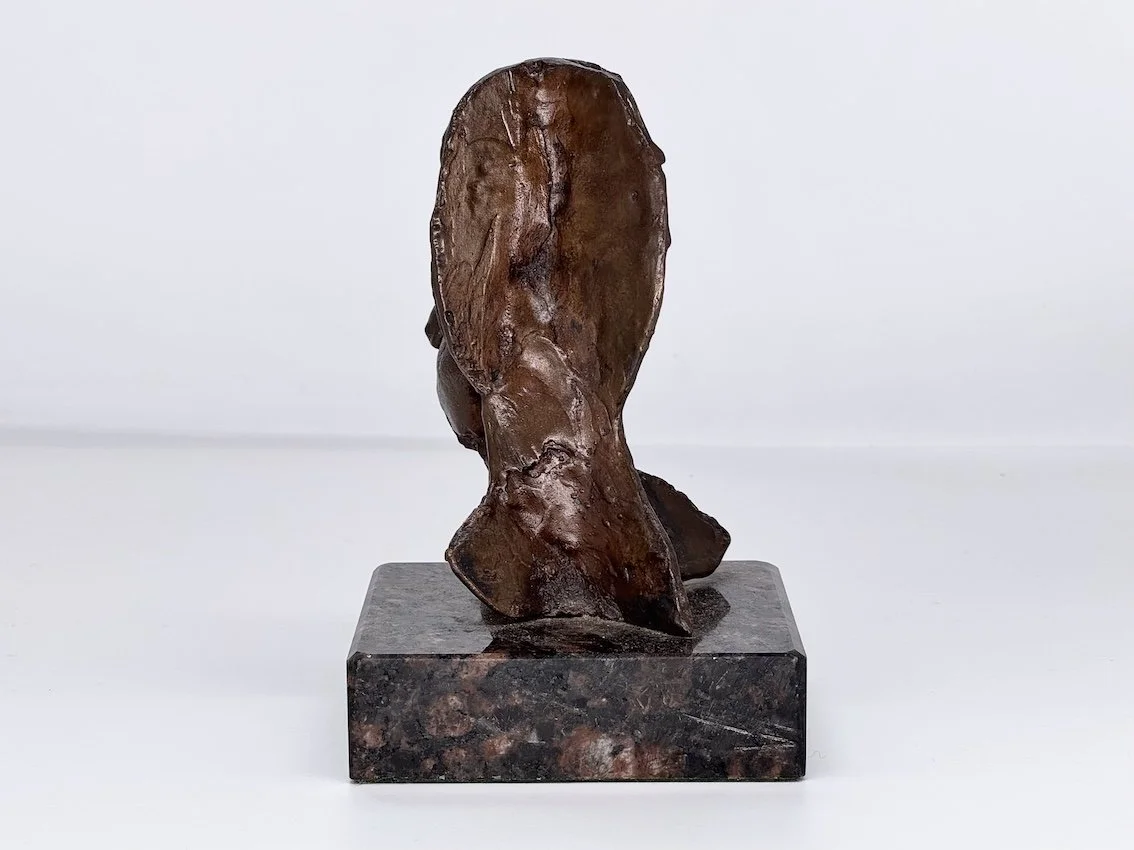
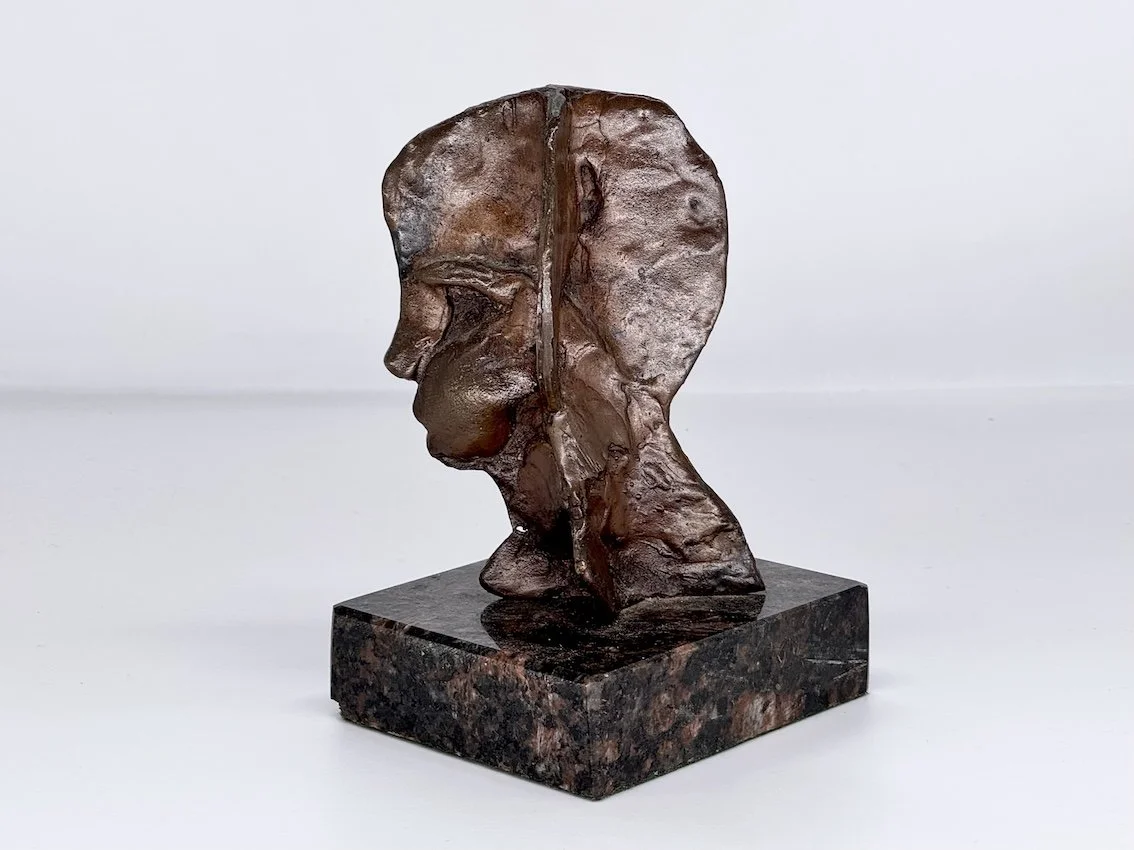
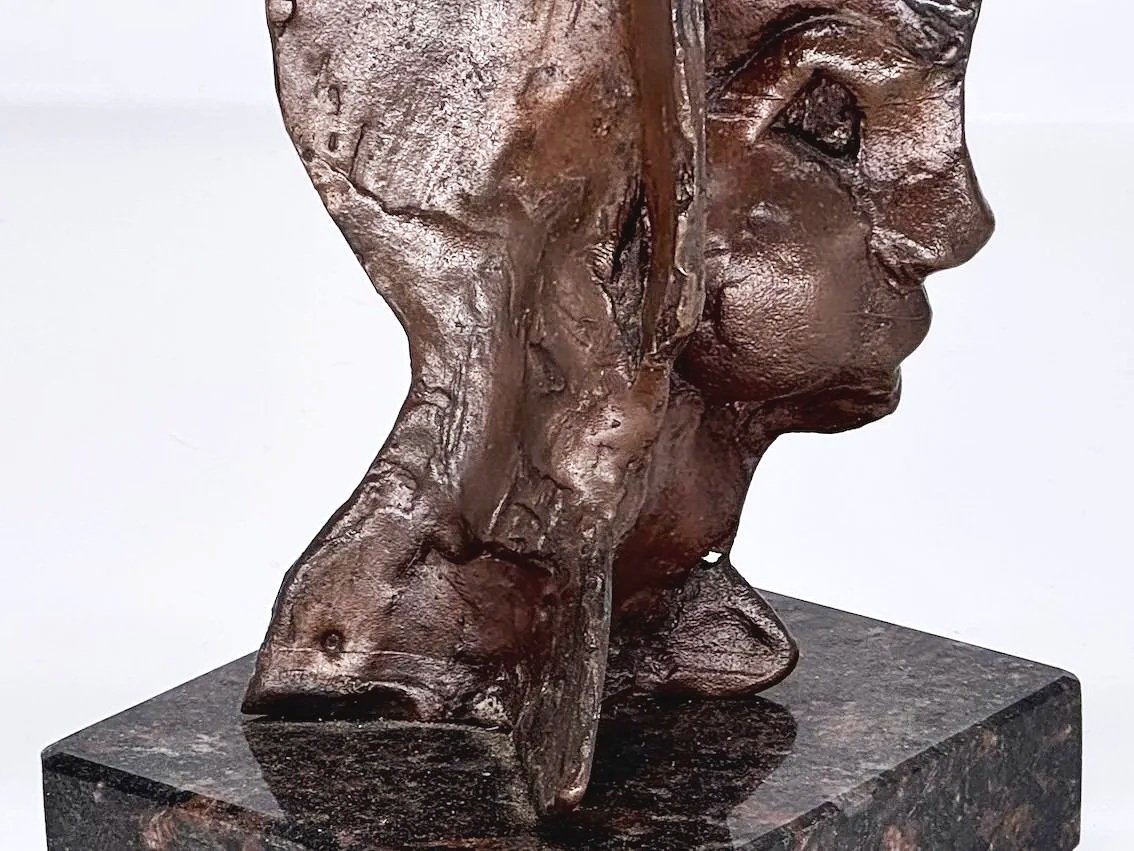
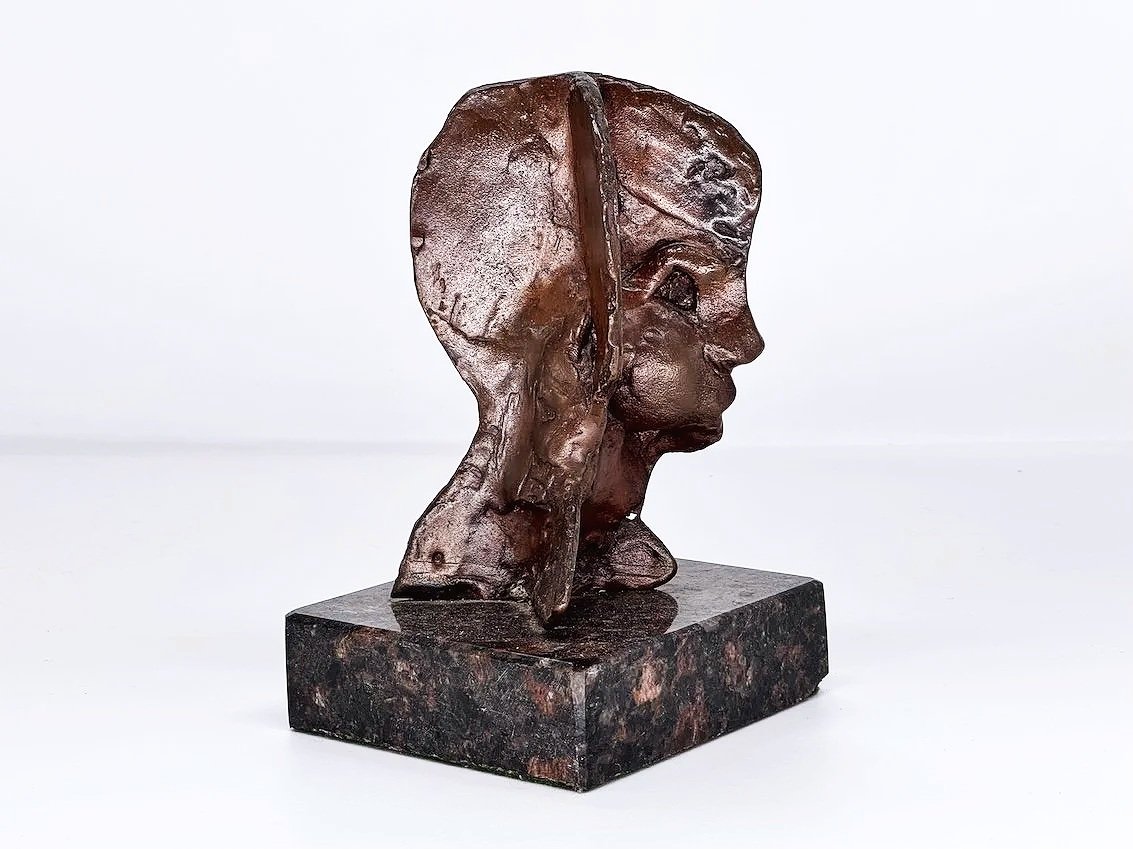
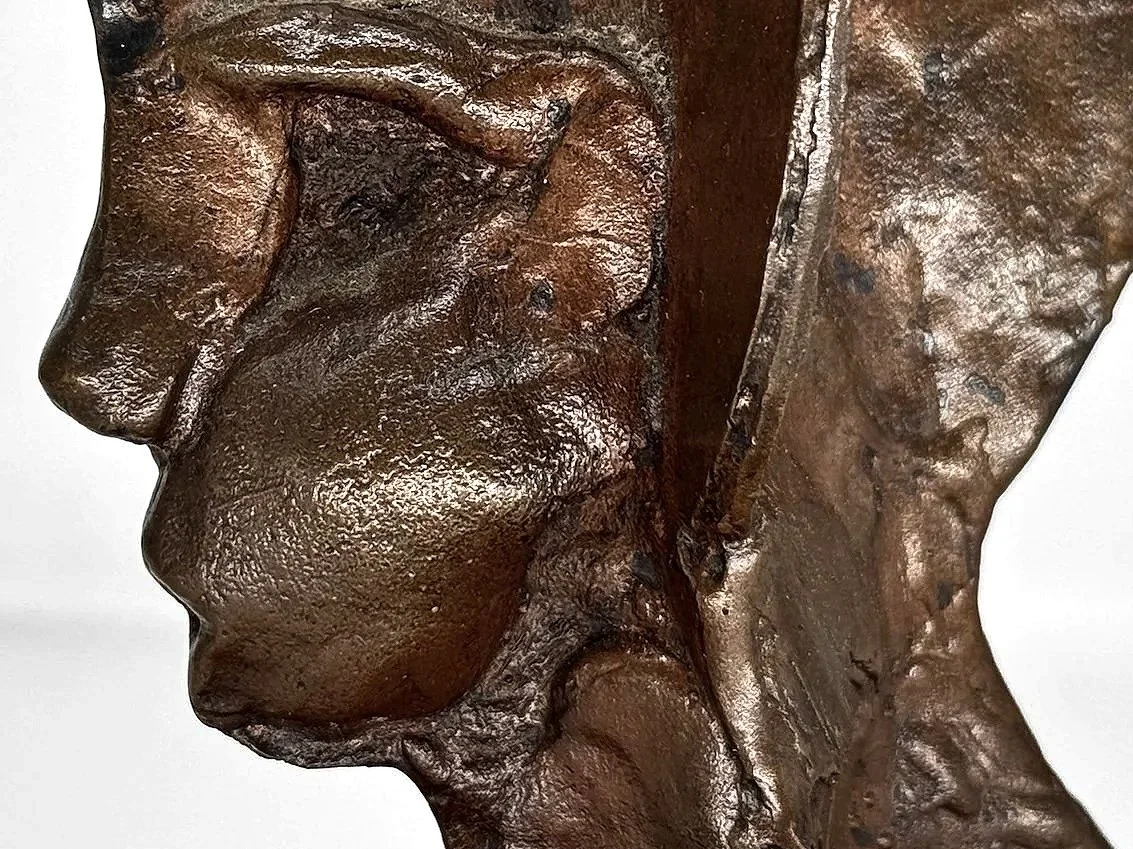
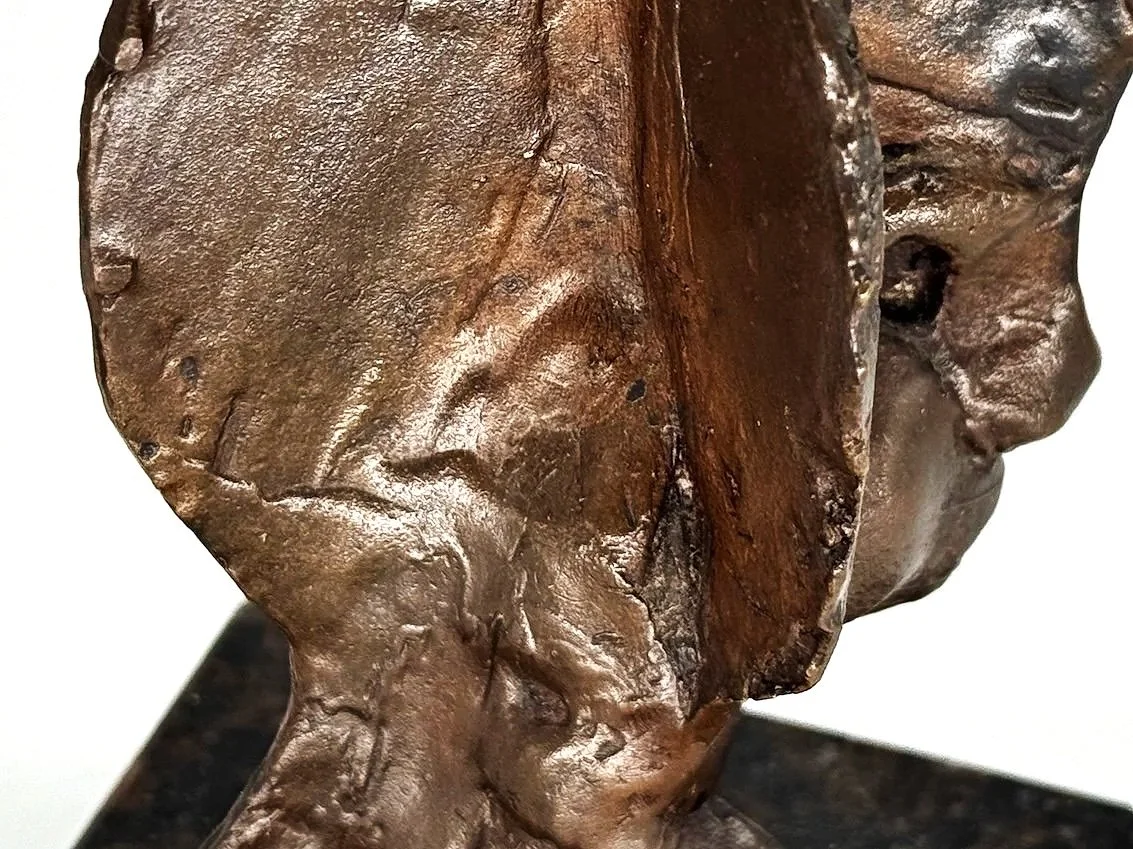
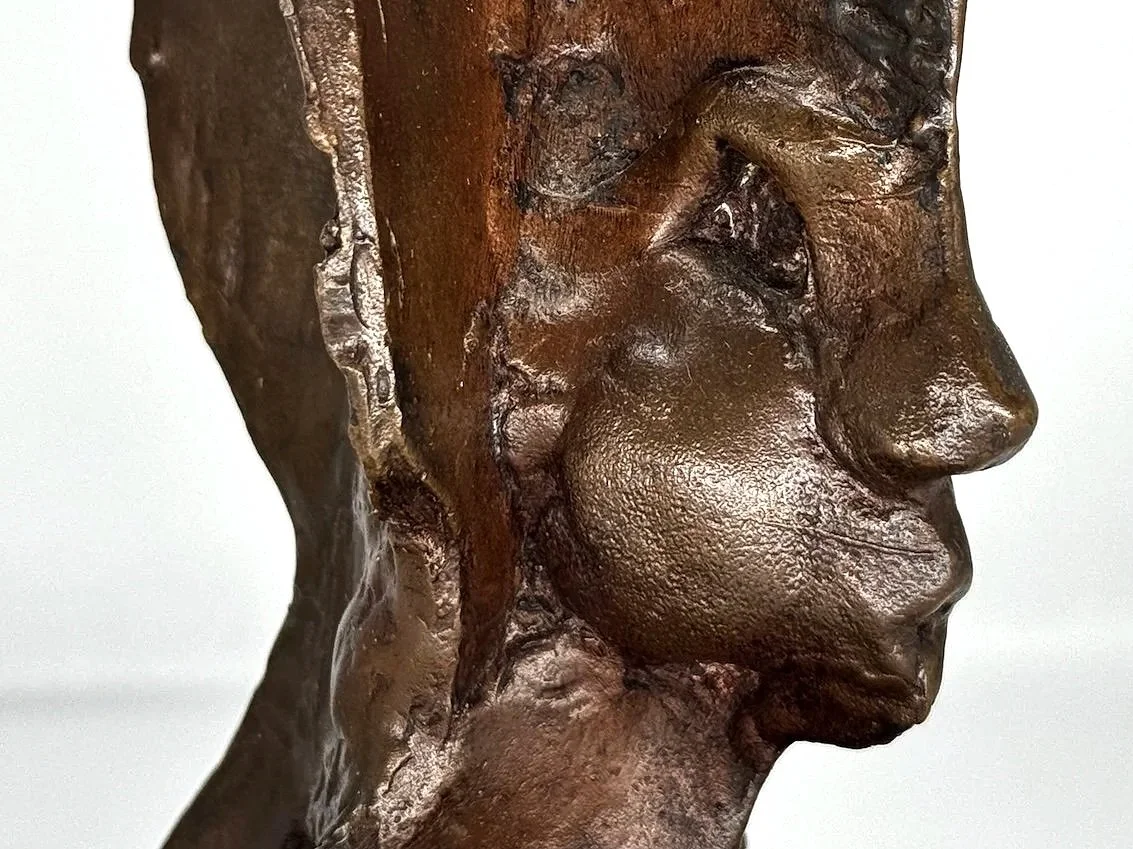
Some aspects of his work continue to elude, me being an obscured poet and he being a remnant classicist. But quite a few pieces convey a latent humour I can relate to. The attitude of the helmet head, leaning carefully, all exterior, as opposed to the interiors of such by Henry Moore. The old sea captain puffing into his sail, his telescope glued to his eye, are among many.
I can no longer speak to Don as he would not recognise me.
He lives in his own world in what would seem a miasma of contentment. These words are for him, one side of a conversation.Simon Cutts
July 2026 -
-
-
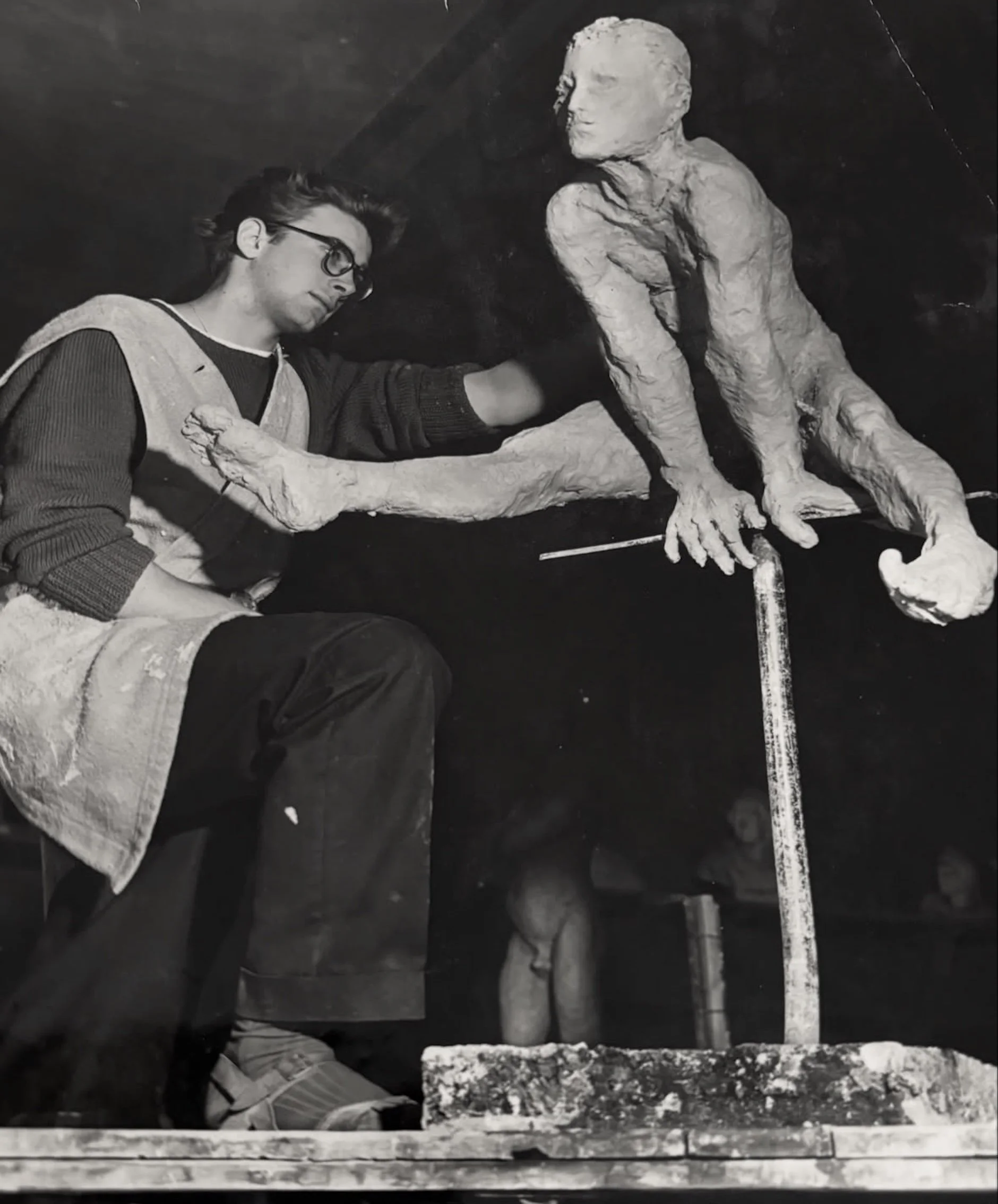
Above: Don Prince c.1957 courtesy of the artist’s family
For further information and availability contact donprinceartist@gmail.com
Instagram @donprinceartist