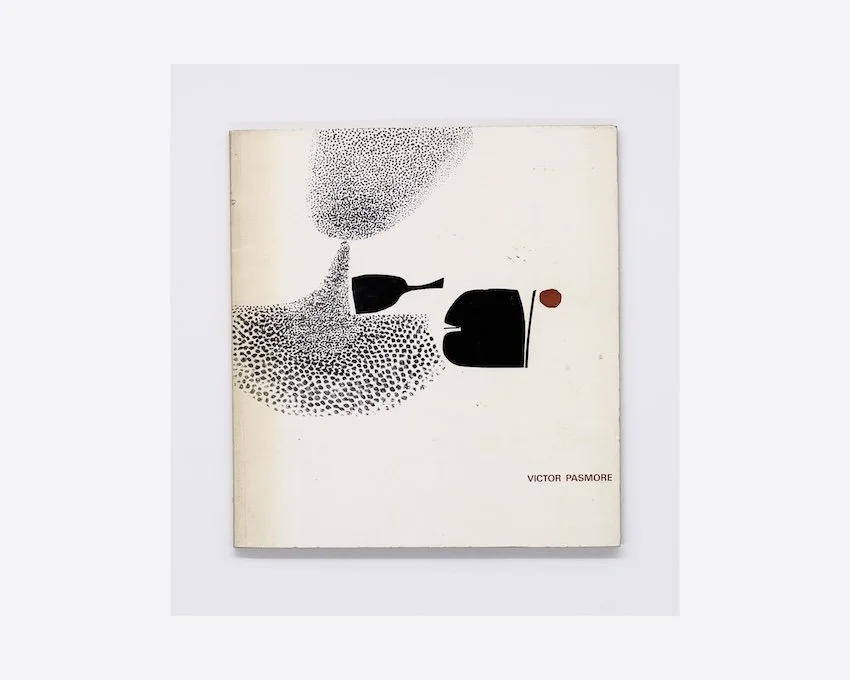
Catalogue of an important exhibition which radically changed how the art world viewed Bonnard’s work and reframed him as a "profoundly modern" painter. Particular attention is paid to the artist’s interest in the sculpture of classical antiquity and the work of his contemporaries including Rodin.
“The way Bonnard draws on classical sculpture is to be expected from someone who, as his nephew Charles Terrasse remarked, 'felt a fascination for Greek thought which has not left him'. Maurice Denis wrote about Racine that he used 'a limited vocabulary of elevated, thoroughly familiar words, just as Puvis de Chavannes uses simple gestures, white drapery and a blue sky. Classic art, Denis goes on to say, 'contains nothing out of the ordinary, nothing unusual, its elements are known to everyone, they are banal'. He could be describing a Bonnard painting. At the same time, Bonnard's profound admiration for the art of Antiquity explains why he is one of the few major twentieth-century painters to have found no use for tribal art. This bias (if that is the right word) is perhaps one of the reasons why influential critics like Christian Zervos refused to see Bonnard as a significant modern artist, a judgement that has had profound consequences for his reputation.” – Sarah Whitfield “Fragments of an Identical World” (p.23)
Title: Bonnard
Authors: Sarah Whitfield and John Elderfield
Publisher: Tate Gallery Publishing, London
Publication date: 1998
Language: English
Format: softcover
Pages: 272pp.
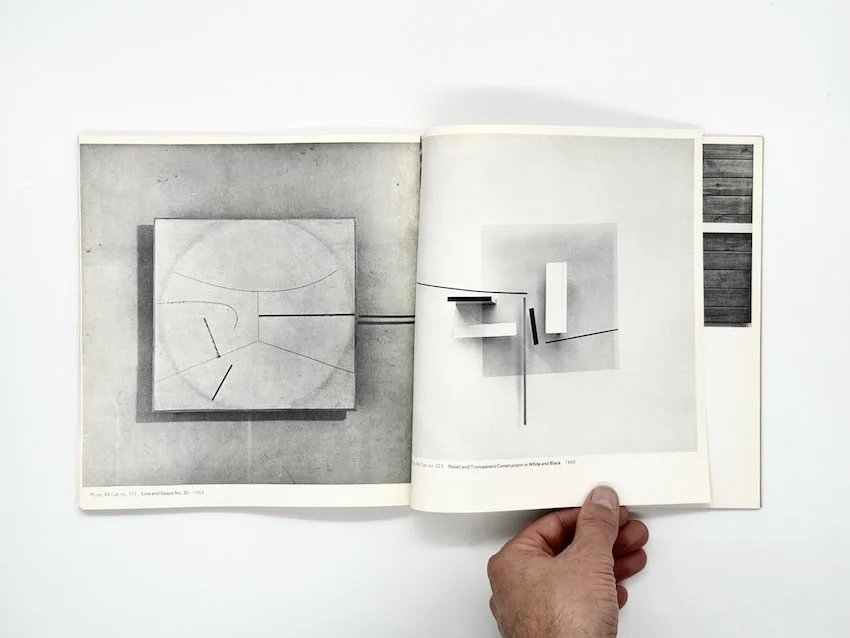
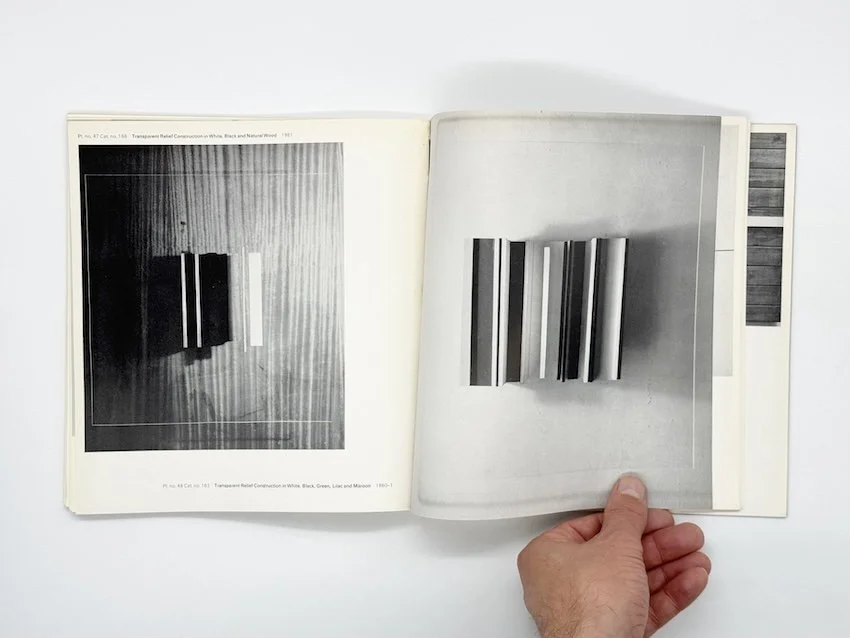
Images: illustrated in colour and b/w
Condition: Fine
Stock Number: RB05695 255
Catalogue of an important exhibition which radically changed how the art world viewed Bonnard’s work and reframed him as a "profoundly modern" painter. Particular attention is paid to the artist’s interest in the sculpture of classical antiquity and the work of his contemporaries including Rodin.
“The way Bonnard draws on classical sculpture is to be expected from someone who, as his nephew Charles Terrasse remarked, 'felt a fascination for Greek thought which has not left him'. Maurice Denis wrote about Racine that he used 'a limited vocabulary of elevated, thoroughly familiar words, just as Puvis de Chavannes uses simple gestures, white drapery and a blue sky. Classic art, Denis goes on to say, 'contains nothing out of the ordinary, nothing unusual, its elements are known to everyone, they are banal'. He could be describing a Bonnard painting. At the same time, Bonnard's profound admiration for the art of Antiquity explains why he is one of the few major twentieth-century painters to have found no use for tribal art. This bias (if that is the right word) is perhaps one of the reasons why influential critics like Christian Zervos refused to see Bonnard as a significant modern artist, a judgement that has had profound consequences for his reputation.” – Sarah Whitfield “Fragments of an Identical World” (p.23)
Title: Bonnard
Authors: Sarah Whitfield and John Elderfield
Publisher: Tate Gallery Publishing, London
Publication date: 1998
Language: English
Format: softcover
Pages: 272pp.
Images: illustrated in colour and b/w
Condition: Fine
Stock Number: RB05695 255

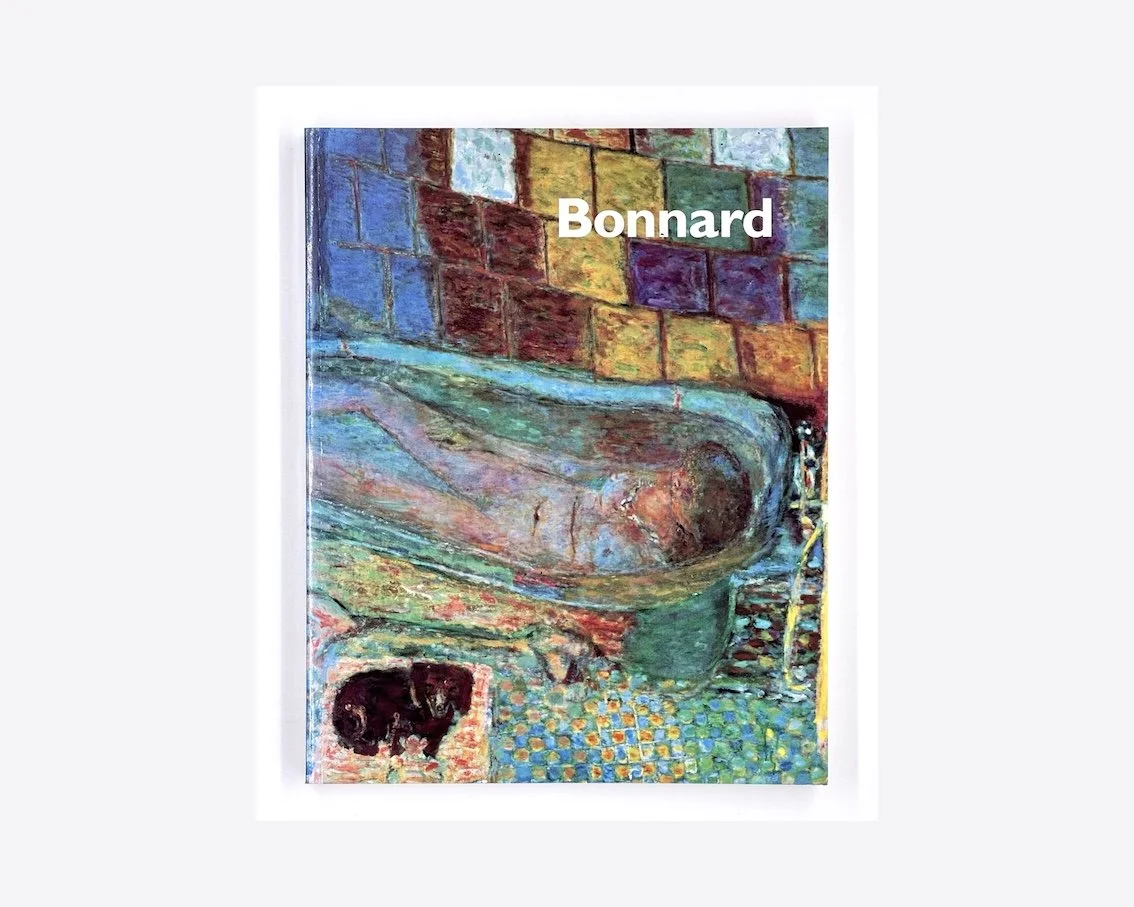 Image 1 of 7
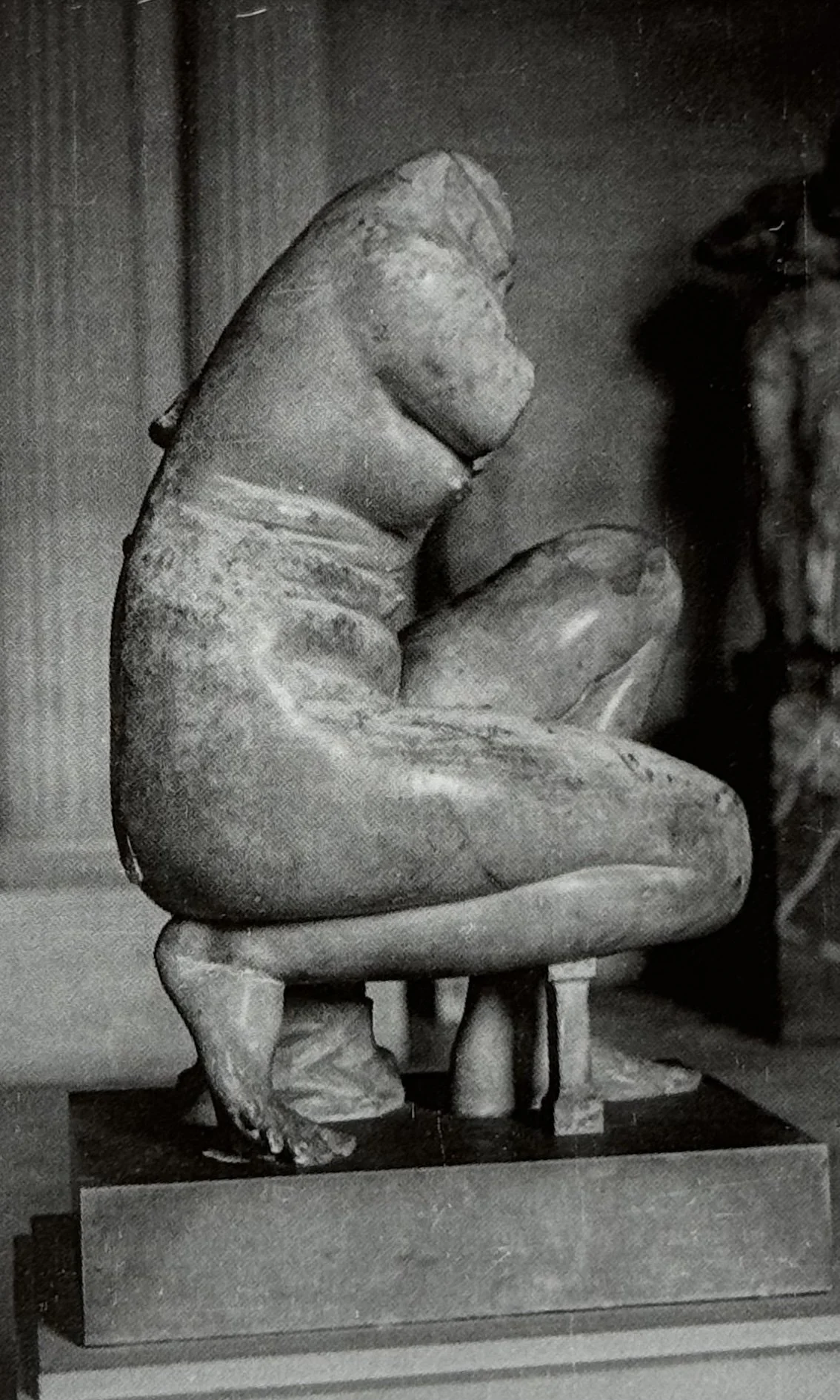 Image 2 of 7
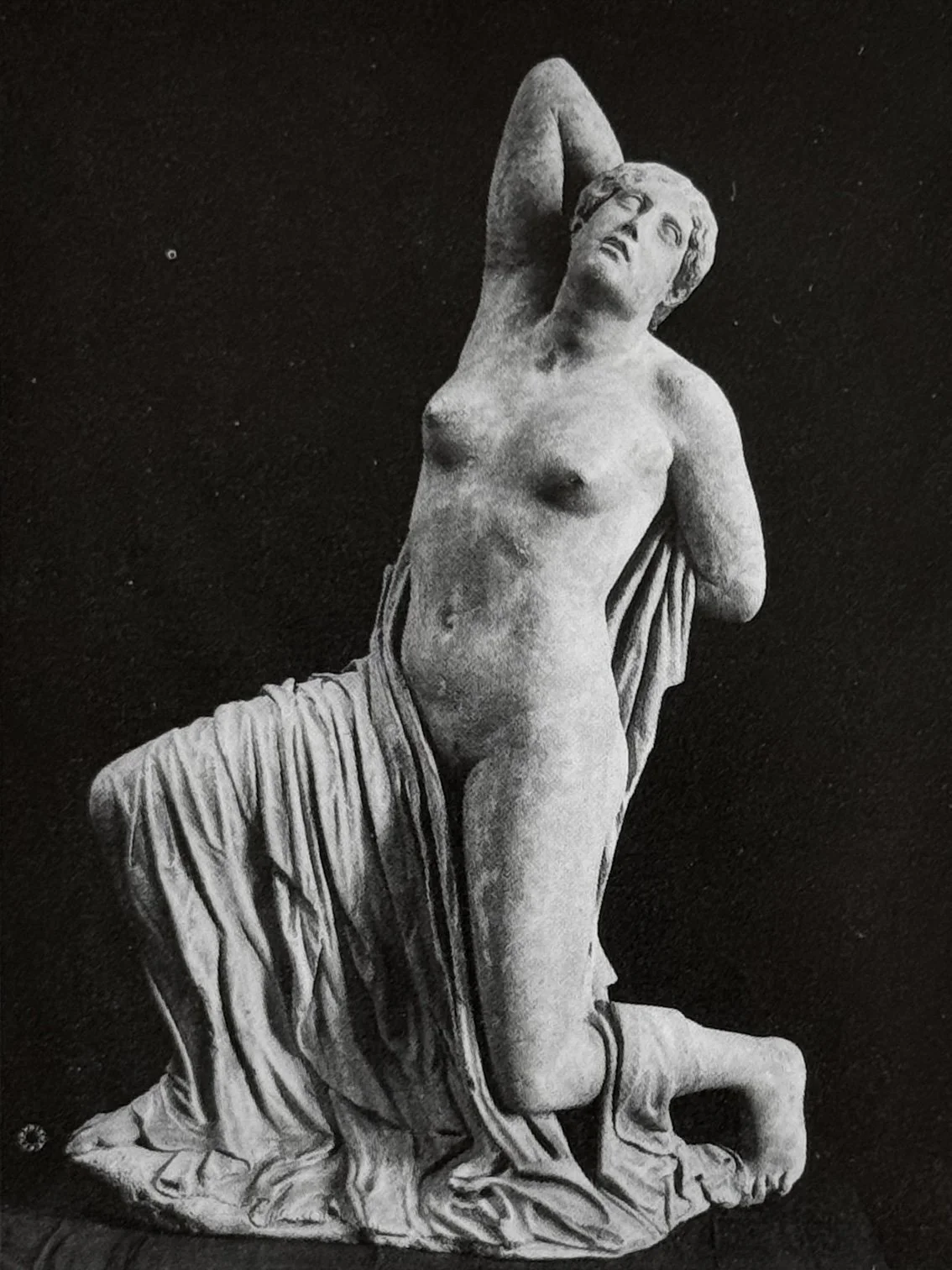 Image 3 of 7
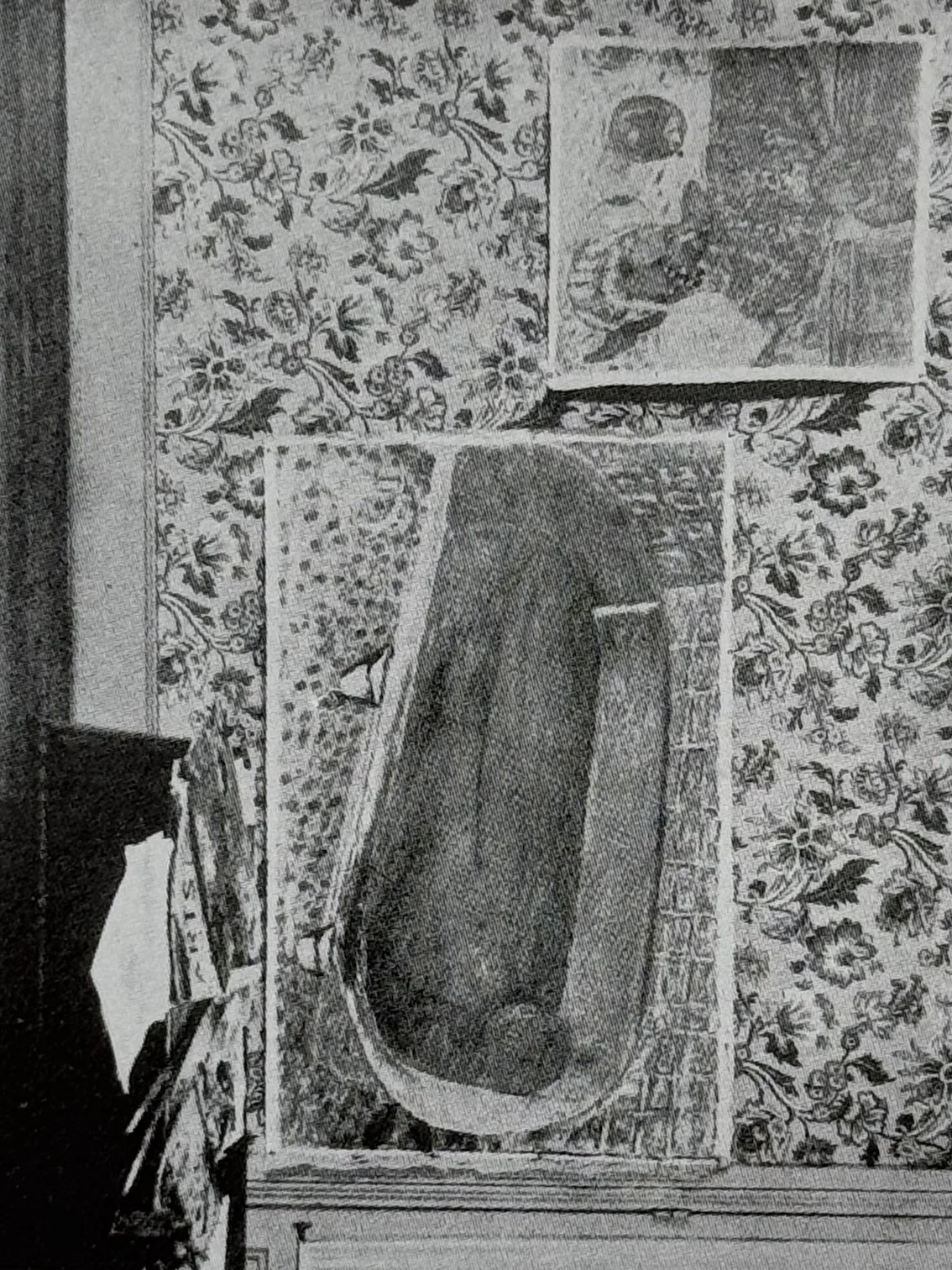 Image 4 of 7
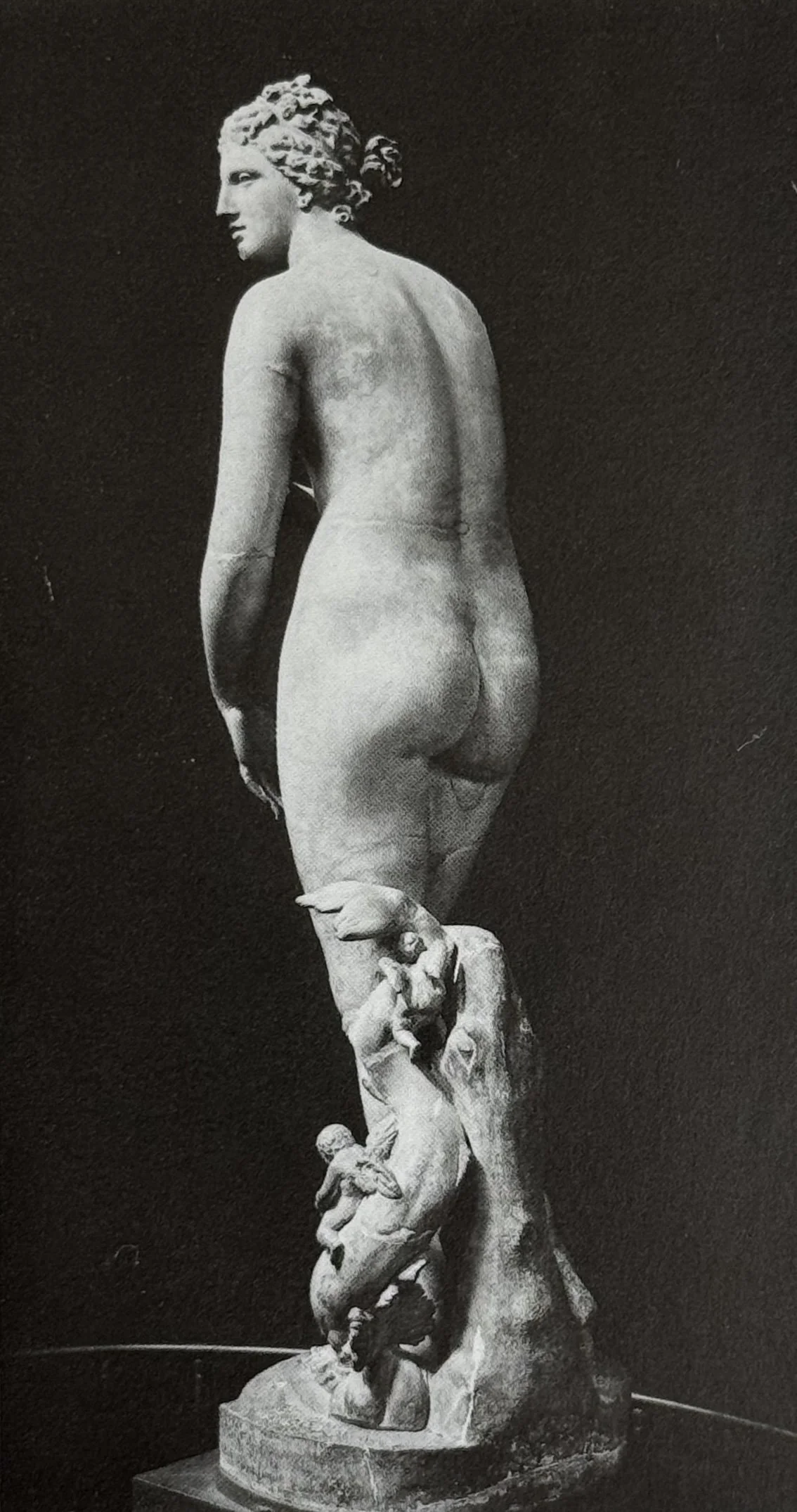 Image 5 of 7
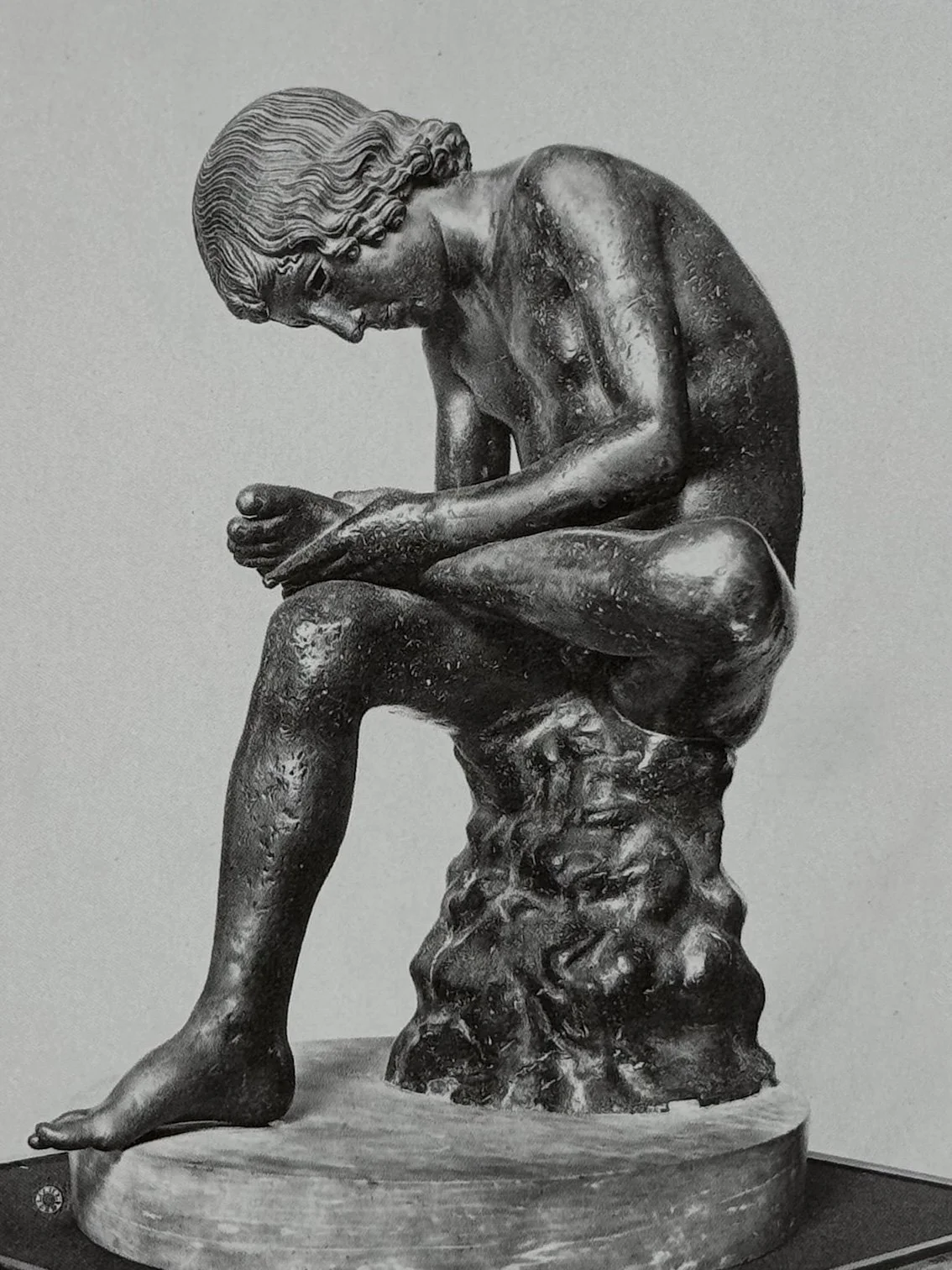 Image 6 of 7
 Image 7 of 7