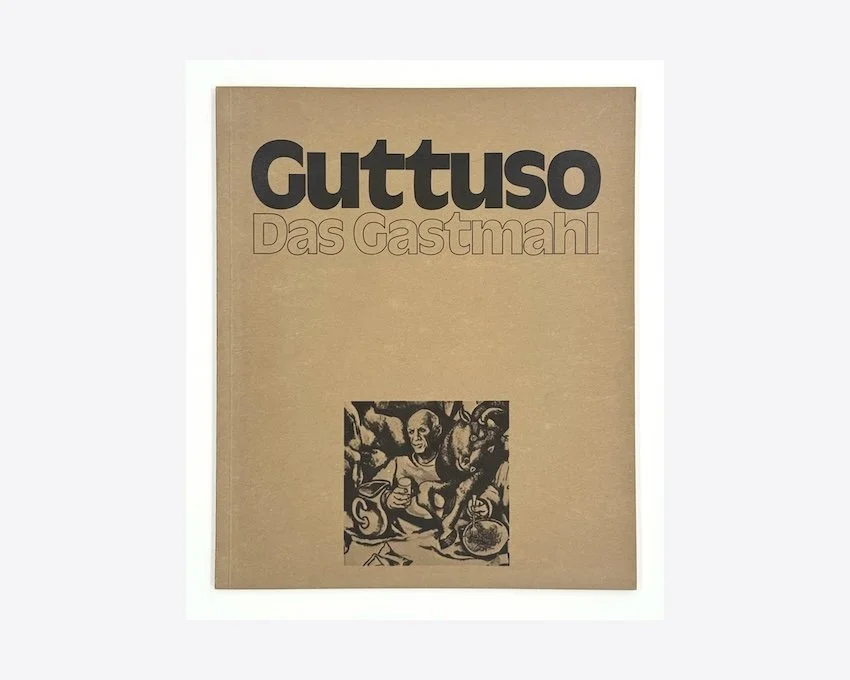
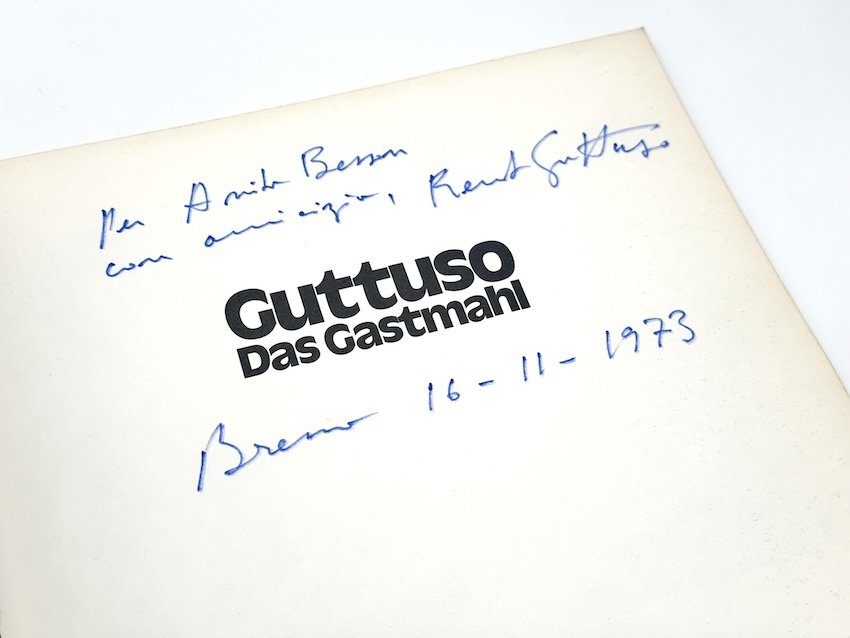
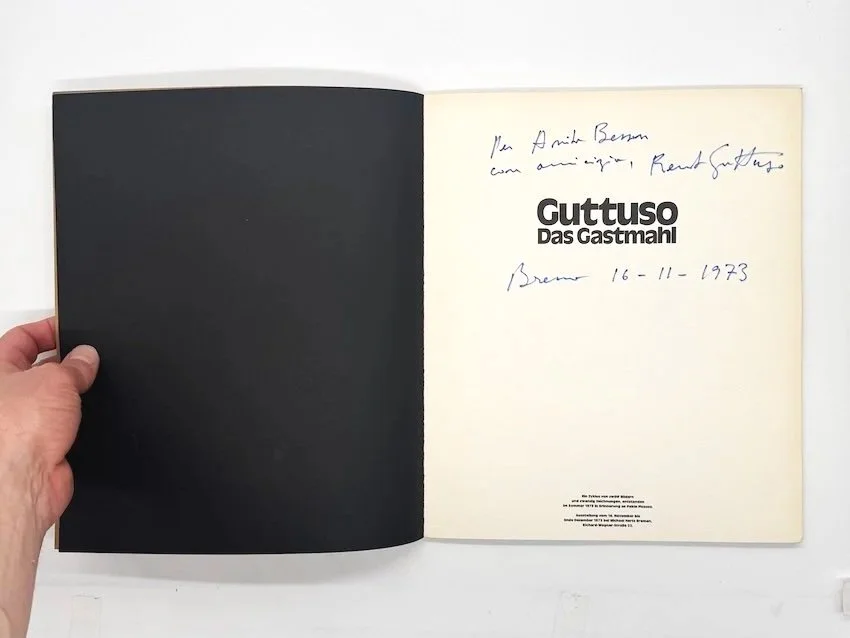
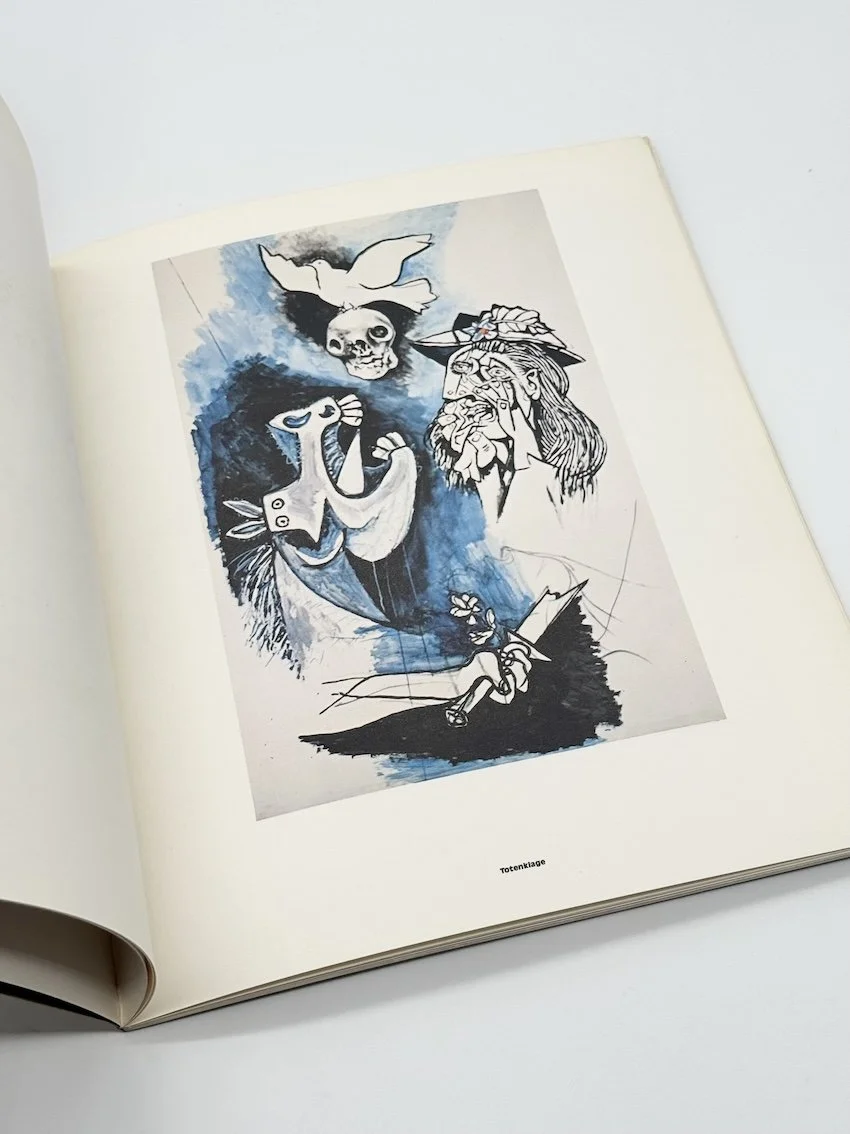
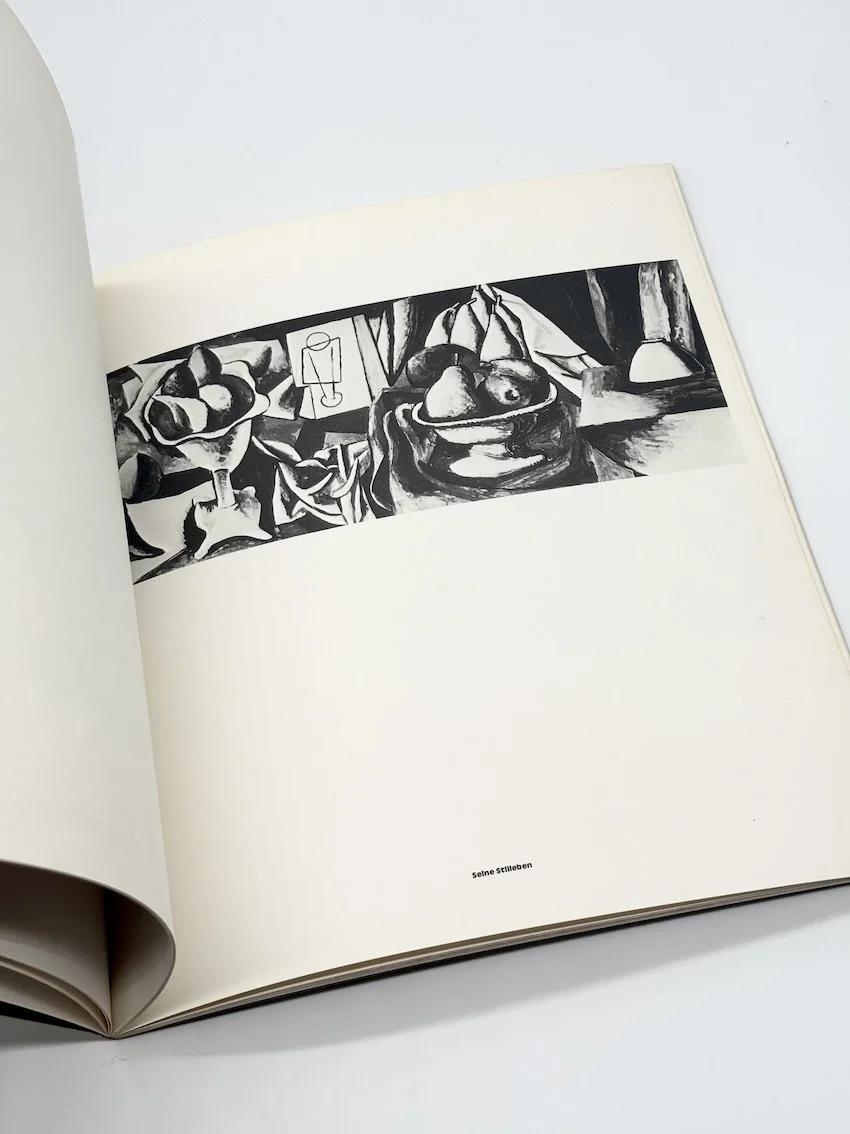
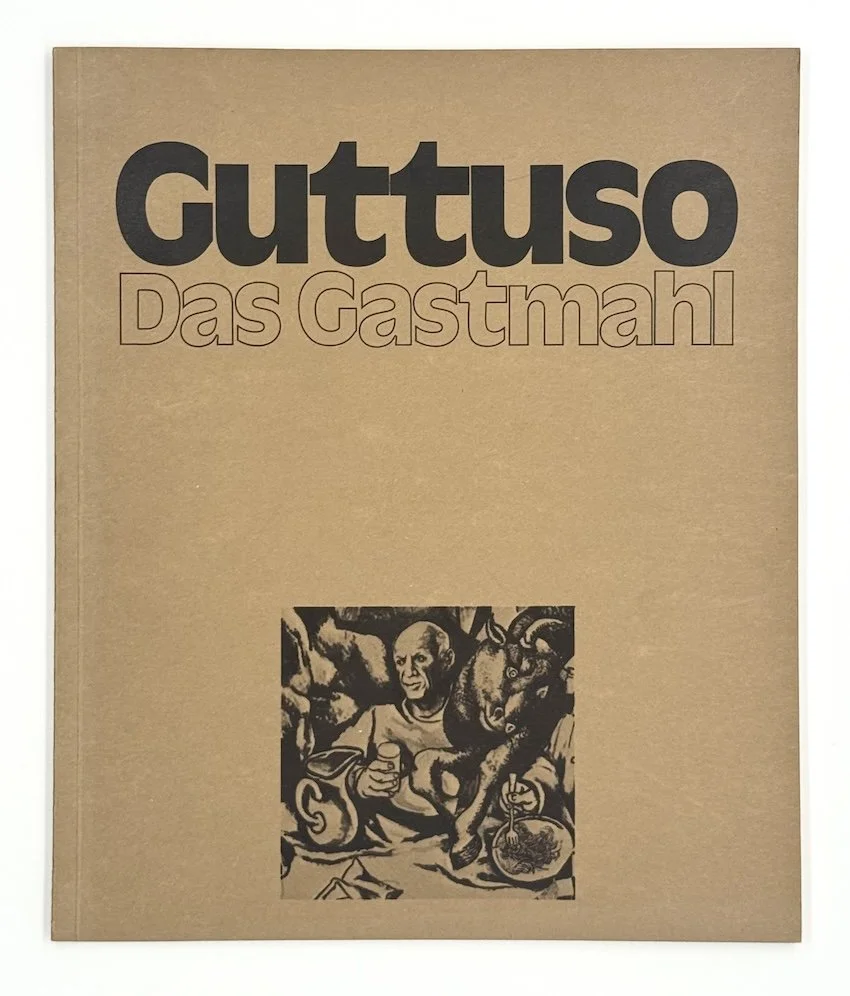
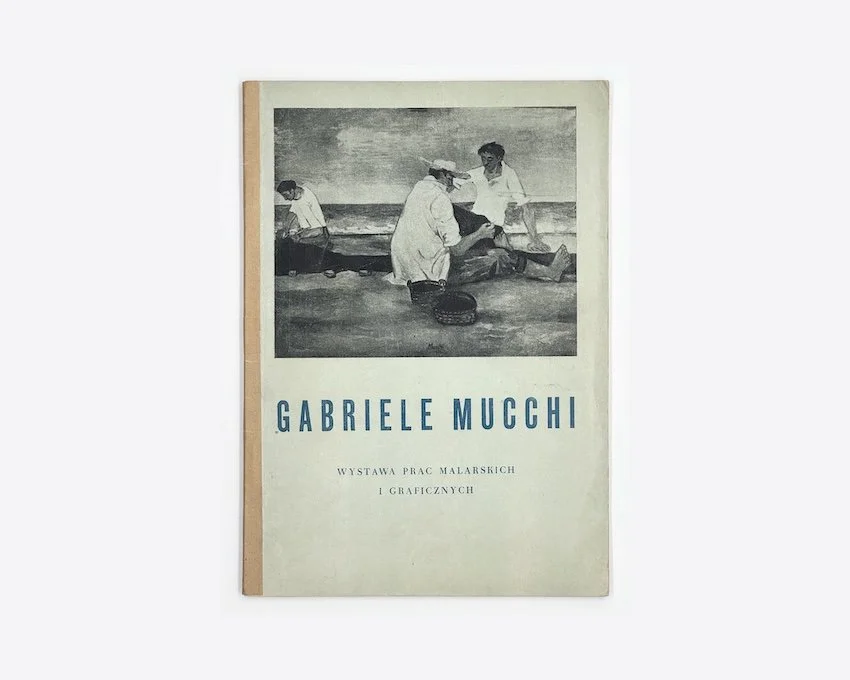
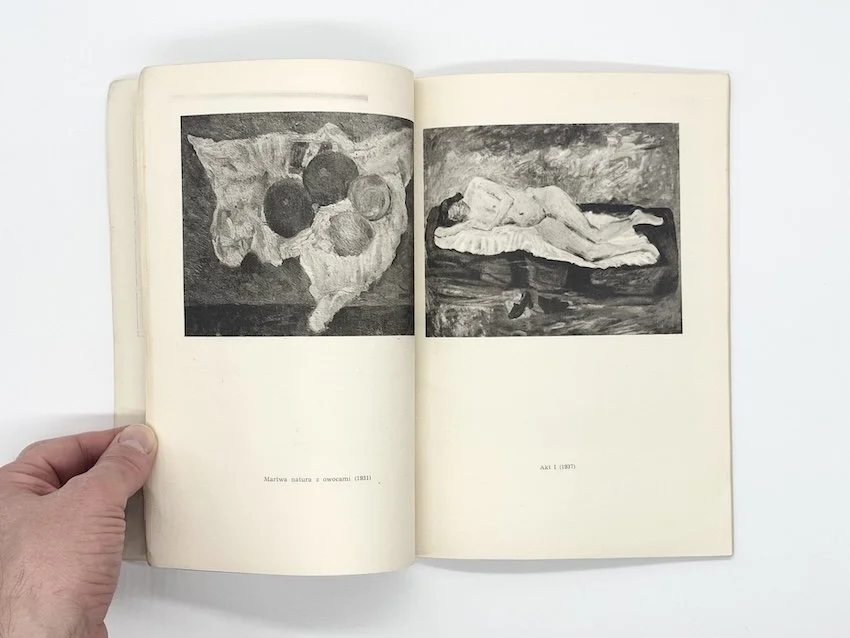
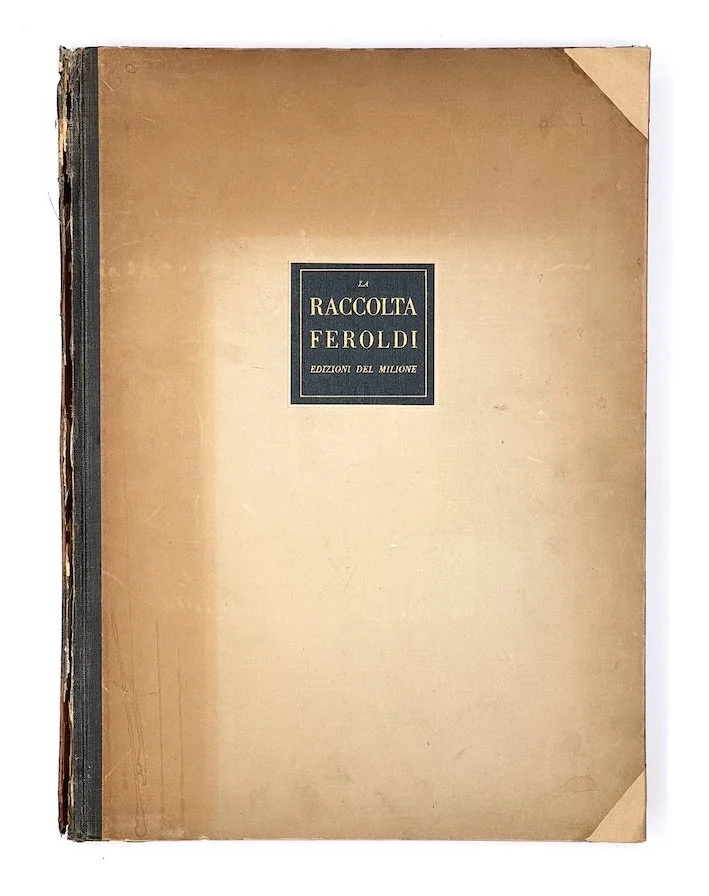
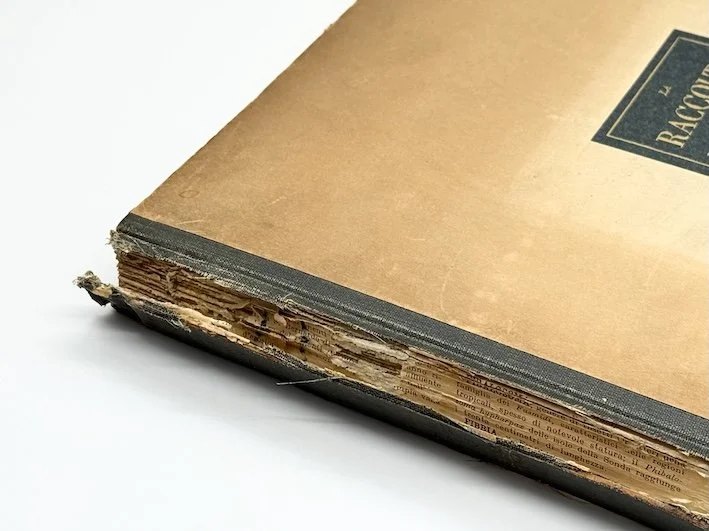
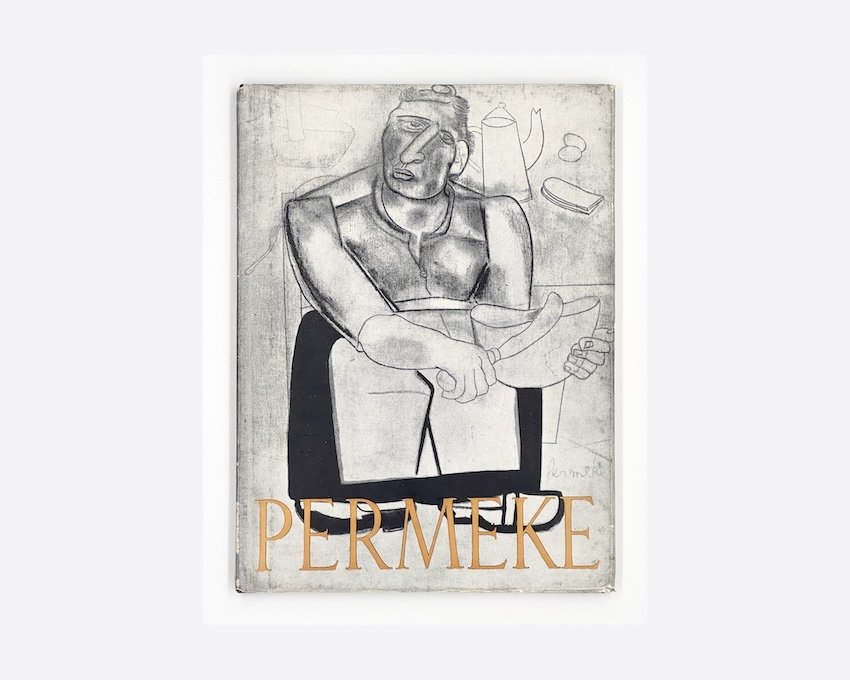
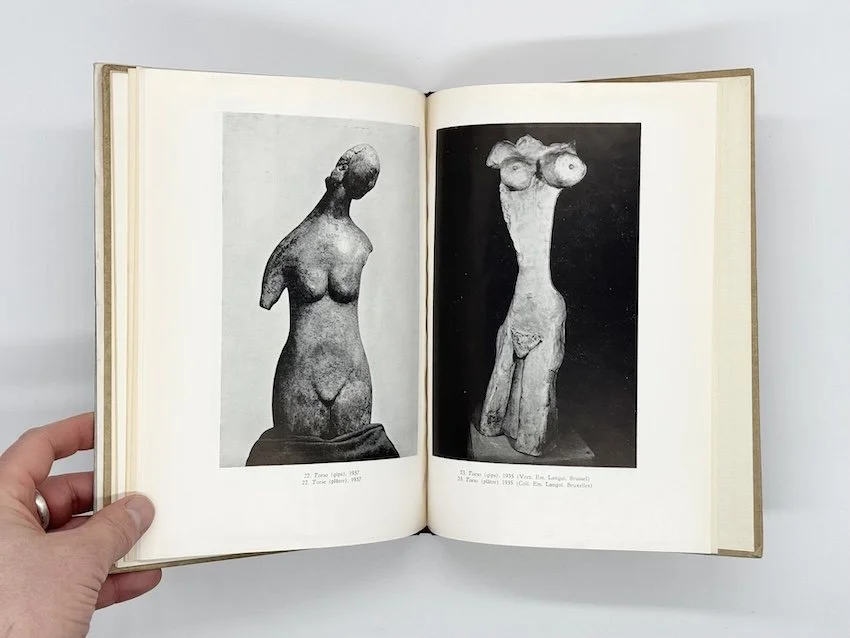
The studio library of artist Renzo Galeotti.
« Odio gli indifferenti »
At the entrance to the studio, above a signed photograph of Puccini, hung his 1977 Italian Communist Party membership card – ‘section: Gramsci - Londra’
In November 1926 the young communist revolutionary Antonio Gramsci was arrested by Mussolini’s Fascist police and imprisoned for eleven years. His ‘Quaderni del carcere’, a series of 29 notebooks handwritten during his imprisonment and first published in 1948, continue to have profound and wide-ranging influence including in art and literature. Marking 100 years since Gramsci’s arrest, Room & Book presents the studio library of Italian-British artist Renzo Galeotti (1939-2024) whose Gramsci Cycle paintings, first exhibited in the 1970s, celebrate “the victory of Gramsci’s thought and will over Fascism.”
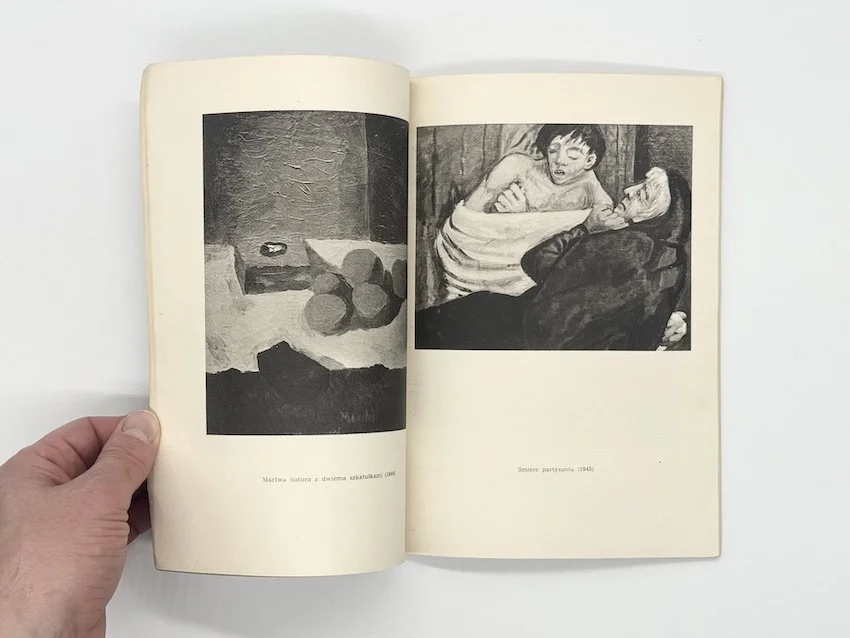
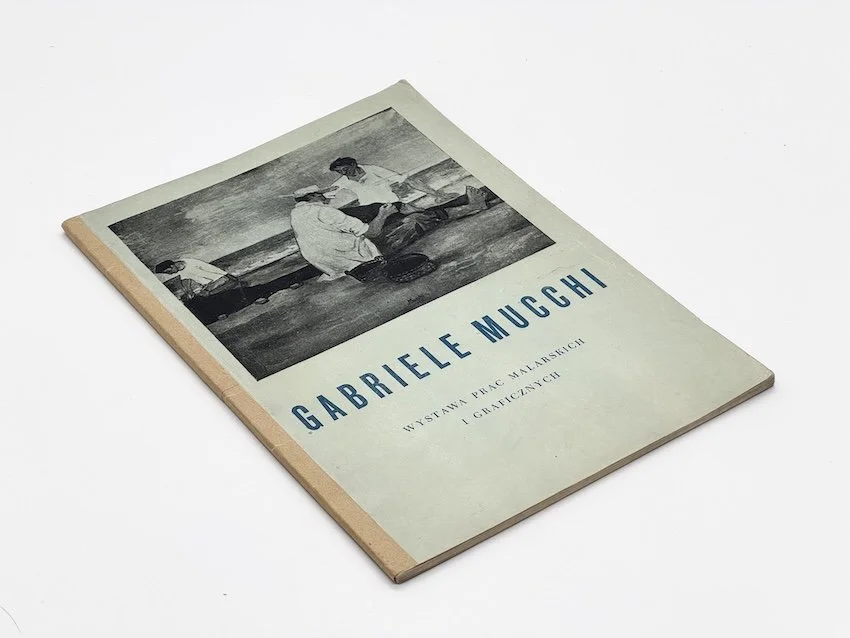
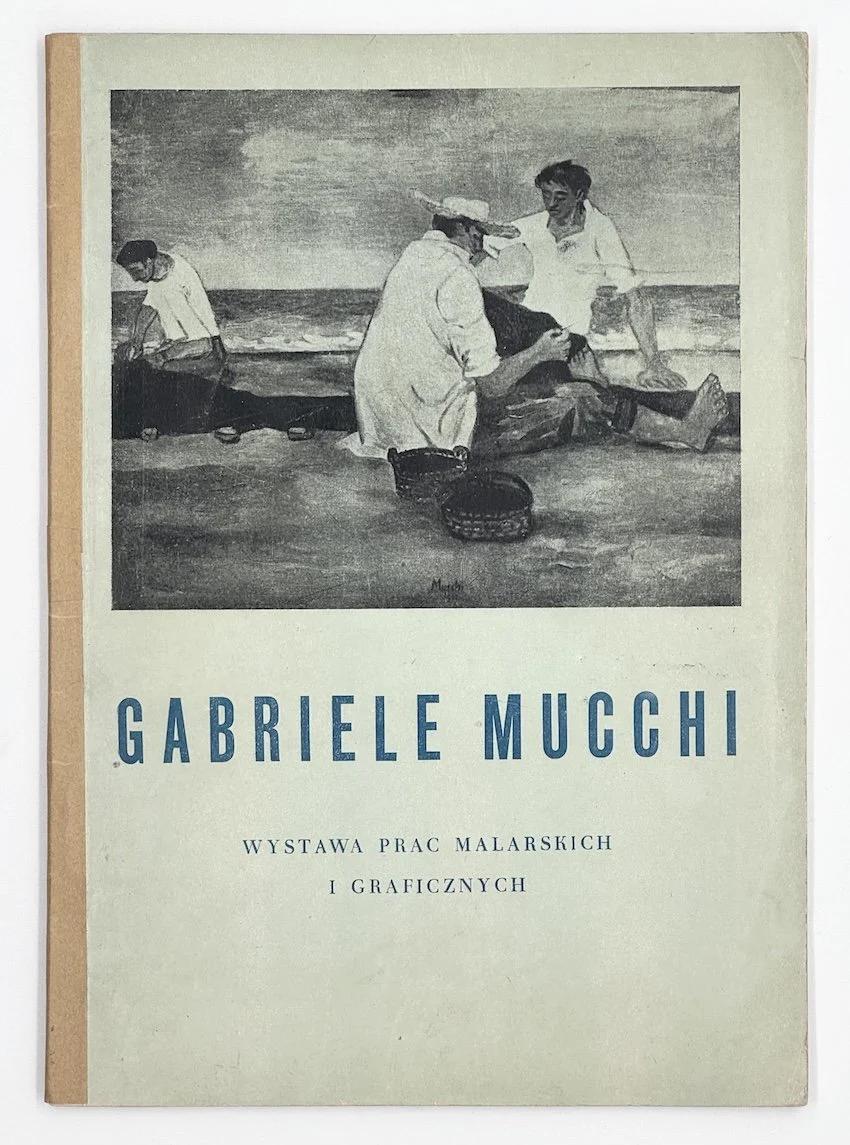
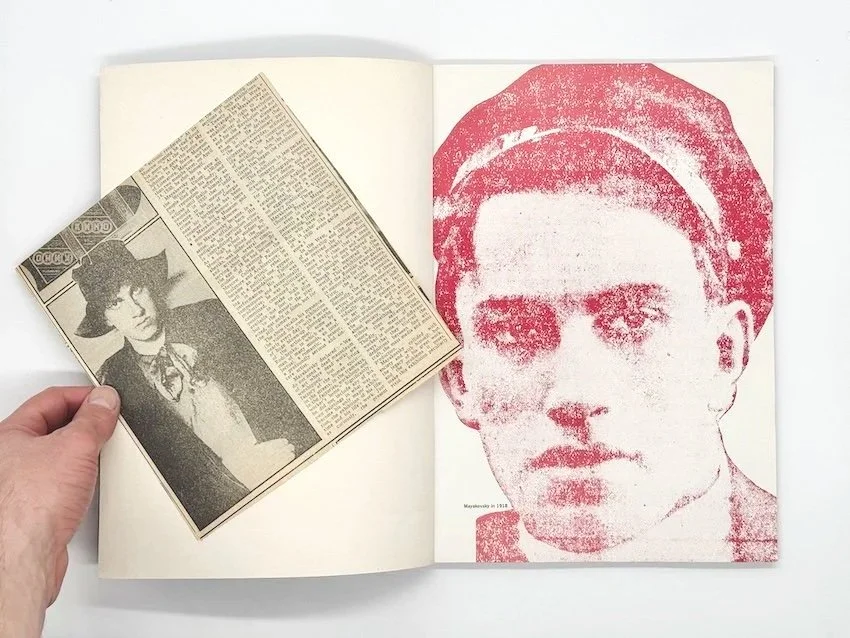
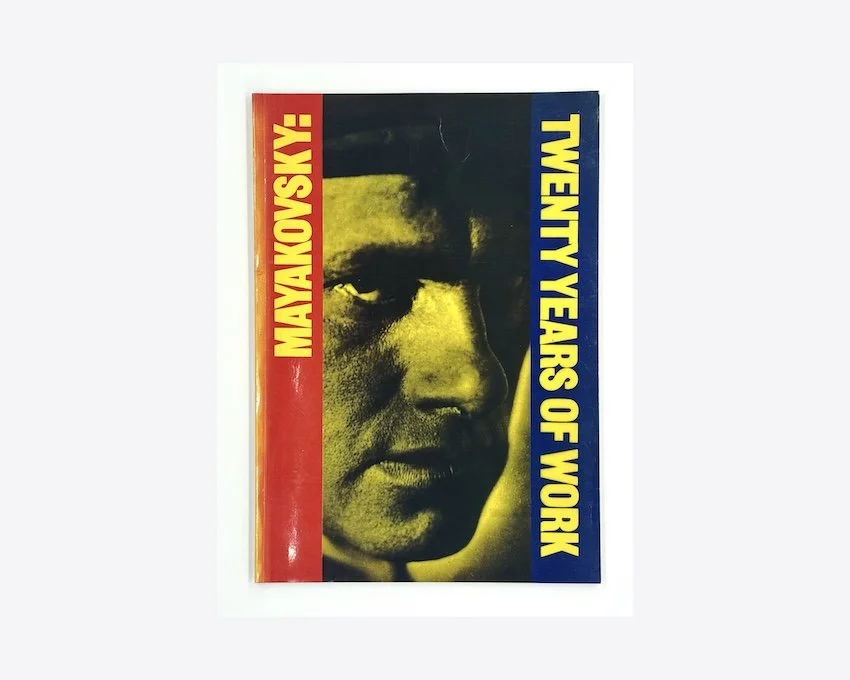
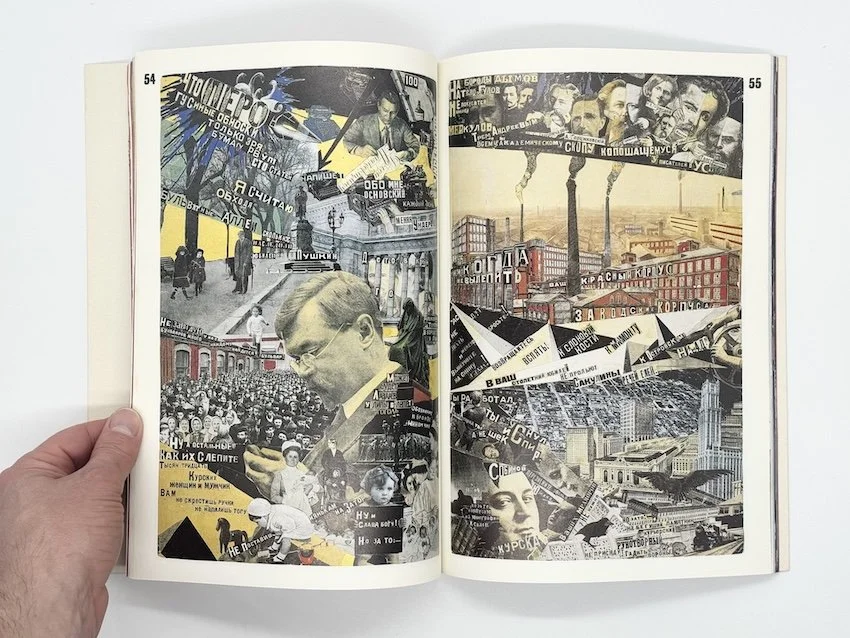
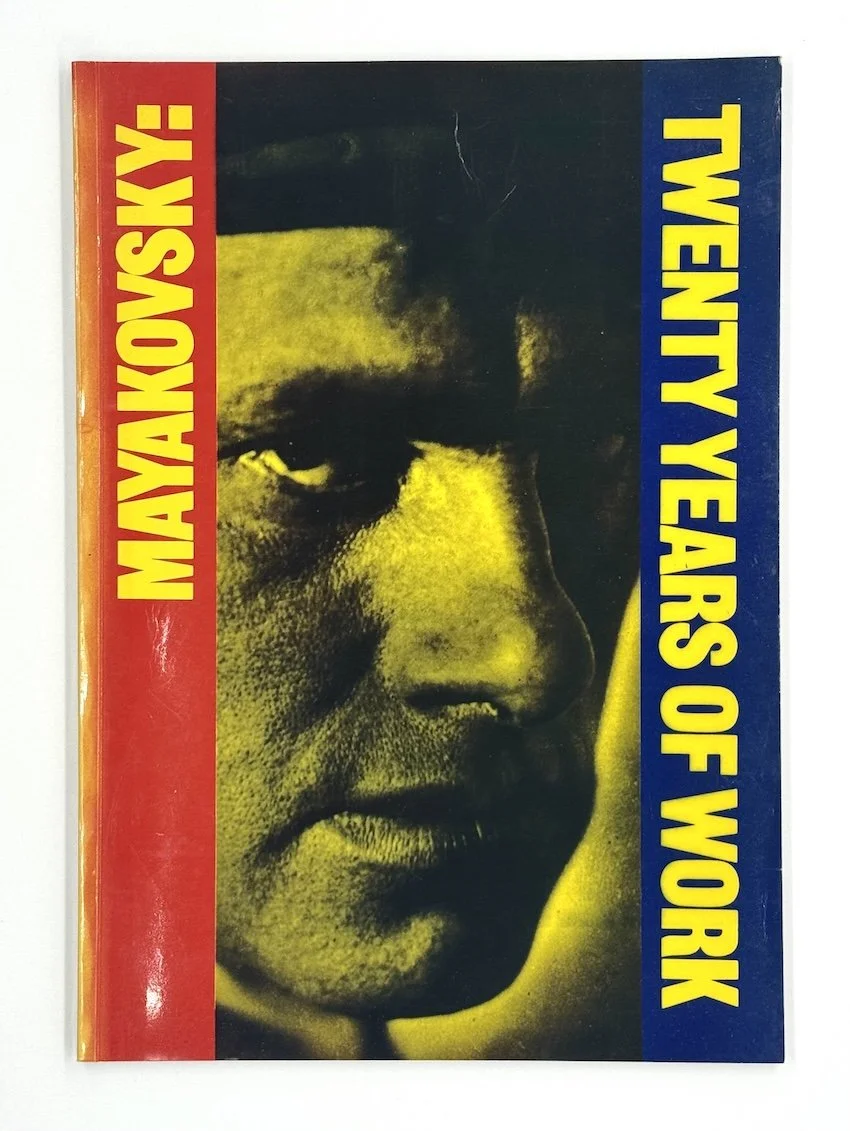
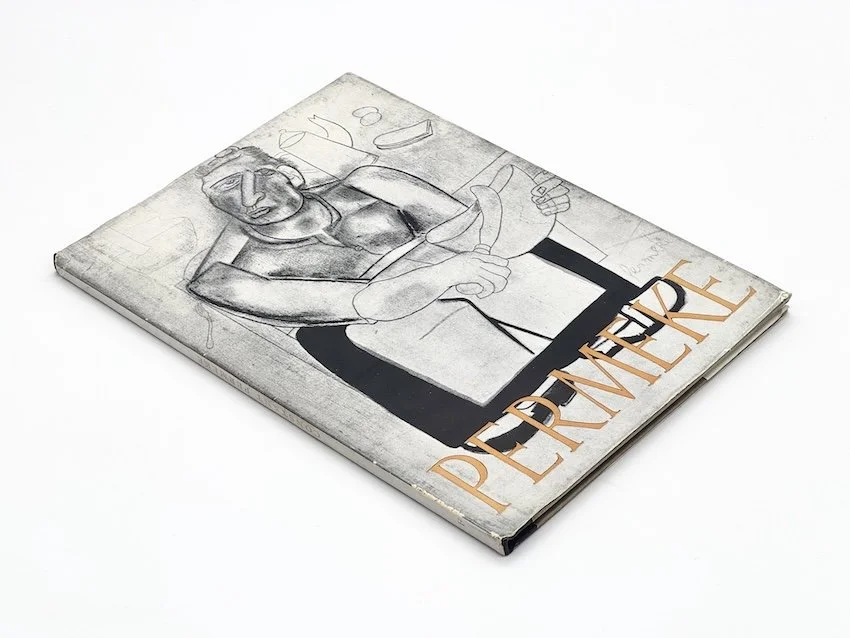
The collection includes original artworks by Galeotti and objects from his London studio presented alongside scarce books by members of the Italian resistance including artists, writers, poets, and activists, as well as those whose work was compromised to promote fascist ideology. Highlights include an original drawing by Feliks Topolski; Gabriele D’Annunzio’s, Francesca da Rimini, (1902) with woodcuts by Adolfo de Carolis; and a large cache of the uncommon 1970s left-wing Italian newspaper, Il Dialogo. Scroll down to view the sale.
-
Renzo Galeotti was born in 1939 in Carrara, a community with a long tradition of anarchist politics and a strong anti-fascist working-class identity, where the famous Carrara marble has been extracted from industrial quarries in the Apuan Alps for over 2000 years. Carrara is centred around a 19th-century square, which, originally part of a royal garden, is now a public space named in honour of Antonio Gramsci (1891–1937) a co-founder of the Italian Communist Party.
Renzo began his studies in painting and sculpture in the late 1950s, first at Carrara’s Scuola del Marmo and then the Accademia di Belle Arti di Carrara, the latter a short walk from Piazza Gramsci. By that time Gramsci’s Prison Notebooks had been published in their entirety, and by the 1960s were widely available in Italy, with Gramsci’s concept of cultural hegemony becoming especially resonant with young artists, who, drawing from Gramsci, began to consider art not merely in aesthetic terms but as a pedagogical and political activity. Certainly by 1968, Gramsci's ideas were significantly informing the wider Italian Sessantotto movement, which in Carrara (albeit Renzo was in London by then) resulted in student protests at the Accademia.
After studying, Renzo became a teacher – one of Gramsci’s “organic intellectuals”. He taught briefly in Sardinia (Gramsci’s homeland), then, he and his wife, Bridget Bailey, whom he had met in Carrara in 1962 and married in 1964, moved to London in 1965, where he dedicated himself entirely to his art. Despite, or in spite of, Carrara’s sculptural traditions, Renzo was predominantly a painter. At the entrance to his book-filled studio in Teddington, above a signed photograph of Puccini, hung his Italian Communist Party membership card, ‘– section: Gramsci - Londra’ dated 1977. It was around this time, coinciding with the 1975 publication of the now standard reference edition of the Prison Notebooks edited by Valentino Gerratana, that Renzo began his extensive Gramsci Cycle—a series of paintings which explores themes of imprisonment and intellectual freedom.
The Gramsci Cycle is part of a vast amount of work created over the course of the last century by artists and writers influenced by Gramsci’s thinking. As Hamish Henderson, the Scottish poet and activist who has translated Gramsci’s Prisoner Letters has written “certainly, nearly all major writers, artists and film-makers of post-Second World War Italy were to a greater or lesser extent influenced by his mighty presence in the recent past.” These include Pasolini’s, The Ashes of Gramsci; Elio Vittorini’s celebration of Gramscian cultural heritage in the pages of Il Politecnico; Riccardo Bacchelli’s, The Son of Stalin; and, Henderson adds, Renzo Galeotti’s “extraordinary series of Gramsci studies” – Omaggio a Gramsci (Homage to Gramsci: the life of a martyr for the working class represented in the manner of Sacred Art). (1)
Renzo Galeotti exhibited widely from the 1970s to the 1990s. Selected solo exhibitions include: Richmond Hill Gallery, Richmond (1968); Woodstock Gallery, London (1972, 1973, 1974, 1975); Chameleon Gallery, Liverpool (1972); Everyman, Liverpool (1972); Galleria Torre, Torino (1972); Kingston Museum, Kingston (1974); AMP, London (1975); University Gallery, Southampton (1976); Italian Cultural Institute, London (1978); NFN Liverpool (1979); Regent Street Gallery, London (1980); October Gallery, London (1980, 1981, 1982); Museo Jagiellonskiego, Cracovia (1983); Istituto di Cultura, Edimburgo (1984, 1985); Jablonski Gallery, London (1987); Accademia Italiana, London (1989); Museo Jagiellonskiego, Cracovia (1990); Museo di Auschwitz (1991); Richard Demarco Gallery, Edinburgh (1992); D Studio, Londra (1992, 1993, 1994); Palazzo Provincia, Asti (1994); Università di Bologna (1999); Università di Torino (2003); Galleria ADI Art, Lodz (2004); Primo Levi: un modo di ricordare, Fondazione Cassa di Risparmio di Carrara (2007). His work is held in numerous public collections throughout the U.K. and Europe, including the Auschwitz Museum, Oświęcim, Poland, and the Kraków Jagiellońskiego Museum. Room & Book is honoured to present this initial selection from his outstanding studio library.
Ref.1 Hamish Henderson, “Antonio Gramsci” in Cencrastus No.28, Winter 87/88.
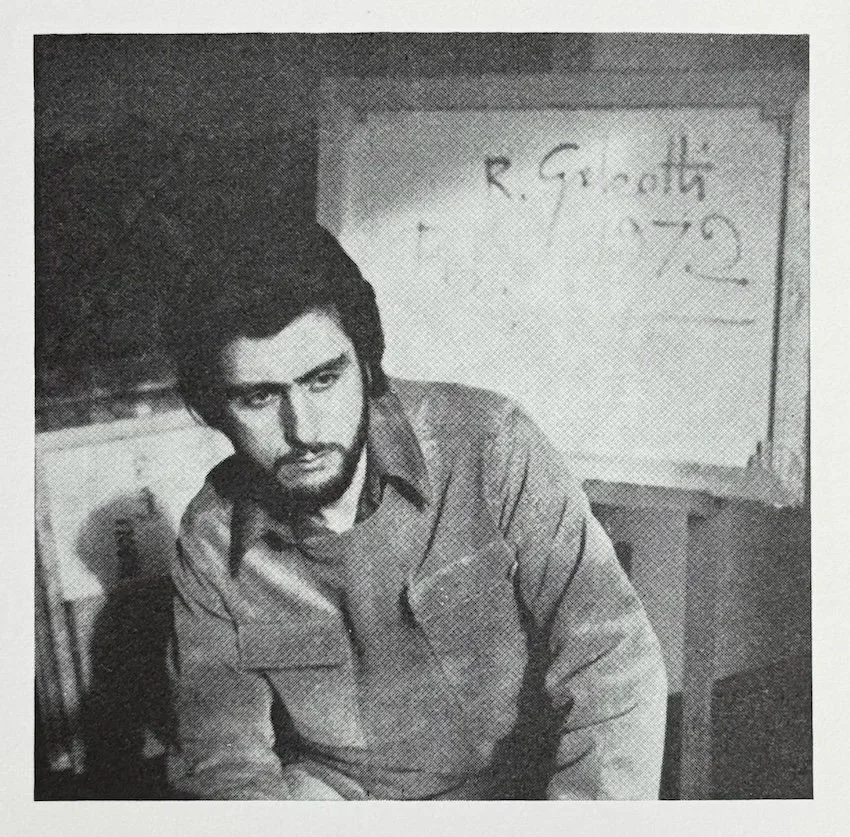
Above: Renzo Galeotti, from the catalogue of his 1972 Woodstock Gallery exhibition